


Three-Layer Co-extrusion Technology Drives Green Development in Flexible Packaging
In 2026, the flexible packaging industry is undergoing profound changes. Against the backdrop of tighter sustainability regulations, fluctuating raw material prices, and the global push for carbon reduction, three-layer co-extrusion ABA blown film technology is rapidly becoming the mainstream choice for film producers. Its unique material structure and excellent cost-efficiency offer a compelling solution. This article provides a comprehensive overview of the latest trends in ABA blown film machines, helping you seize opportunities in a competitive market.
1. ABA Three-Layer Co-extrusion: The Optimal Balance Between Cost and Performance
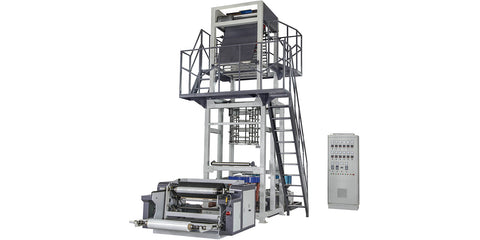
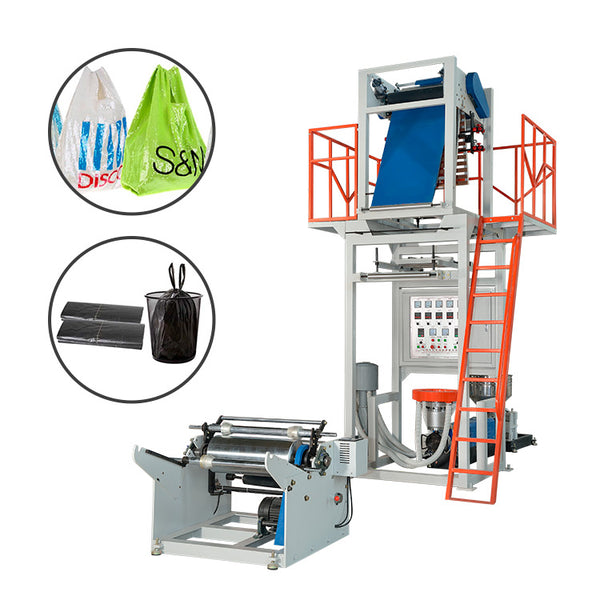
The ABA blown film machine is specifically designed to produce plastic films with an ABA structure. Its core design combines three layers in co-extrusion:
-
The two outer “A” layers use high-quality virgin resin, ensuring good surface gloss, printability, and heat-sealing properties.
-
The inner “B” layer can use recycled material, calcium carbonate (CaCO₃) filler, or in-house crushed scrap.
This “sandwich” structure achieves a balance between high recycled content and good surface appearance & mechanical strength. Studies show that ABA structure can reduce material costs by 30–50% – the B layer can contain up to 60–70% recycled material or filler without affecting surface quality. The outer virgin layers form a strong “skin” that provides better tensile strength and puncture resistance than monolayer films.
From consumer packaging (shopping bags, T-shirt bags, garbage bags) to industrial packaging, the ABA blown film machine demonstrates strong adaptability and economic benefits. Compared with monolayer extrusion, which is becoming less economical for high-volume production, multi-layer co-extrusion saves material by using costly functional resins only on the outer layers while using lower-cost recycled material in the core layer.
2. Rapid Market Growth – Data Confirms the Trend
Market data clearly confirms the strong rise of multi-layer co-extrusion technology. The global multi-layer blown film market is expected to reach approximately USD 23.71 billion by 2030, growing at a CAGR of 5.0–5.24%. In the high-barrier multi-layer film segment, driven by strong demand for extended food shelf life and medical packaging, the CAGR is even higher – around 7.43% through 2030.
China’s multi-layer co-extruded film market also shows strong momentum. According to research reports, global revenue for multi-layer co-extruded films was about RMB 19.16 billion in 2025 and is expected to approach RMB 27.15 billion by 2032, with a projected CAGR of 5.1% from 2026 to 2032. Investment in blown film equipment continues to rise: standard industrial three- to five-layer co-extrusion lines range from RMB 800,000 to 2 million, while fully automated, high-end custom lines with intelligent management systems cost over RMB 3 million.
3. Policy Drivers: Circular Economy and Recycled Materials Accelerate Industry Restructuring
On the policy front, new regulations are giving strong impetus to the ABA blown film industry. In early 2026, China’s National Development and Reform Commission and six other ministries jointly issued the “Action Plan to Promote the Use of Recycled Materials” – the country’s first policy document specifically focused on recycled material applications. The plan sets a target of over 19.5 million tons of recycled plastic production by 2030, with a steady increase in the substitution rate of recycled materials in packaging and other sectors.
In addition, the “plastic ban” and full-chain plastic pollution control have become key topics. The industry has moved away from the old model of extensive expansion and entered a new development phase centered on carbon reduction compliance and circular economy. These policy directions mean that ABA co-extrusion blown film equipment that efficiently uses recycled materials not only offers significant cost advantages but also aligns well with global green development strategies.
4. Smart Manufacturing: AI and Digitalization Reshape Blown Film Lines
In 2026, Artificial Intelligence (AI) is evolving from a decision-support tool to a core component of manufacturing systems. In extrusion processes, AI is widely used for automatic parameter adjustment, predictive quality control, and anomaly alerts. By continuously learning from production data, AI helps achieve better balance between stability, yield, and energy consumption.
The latest packaging industry trends clearly show that AI, automation, and sustainability are the key drivers of change. More and more manufacturers are actively investing in smart equipment and automated lines. Real-world applications show that AI-driven quality inspection systems can maintain yield rates above 99.5%, and AI-assisted job changeover can improve efficiency by up to 50%.
Digitalization is also making significant progress. For example, digital solutions now include startup assistants, real-time system monitoring, and predictive maintenance tools. Built-in recipe storage allows operators to start the system without deep technical knowledge. One-click mold changeover significantly reduces downtime during product changeovers. Predictive maintenance tools identify early signs of abnormal operation and intervene before problems become serious, maximizing machine uptime.
5. Thinner Gauge Technology: From Cost Savings to Profitability
In 2026, reducing film thickness (downgauging) is one of the core development directions for multi-layer co-extrusion technology. Based on the ABA structure, five-layer and more co-extrusion further expand material performance limits. Five-layer structures can achieve excellent barrier properties by combining functional layers (e.g., EVOH, PA/nylon). This allows a 15–25% reduction in thickness while maintaining the same or better protective performance, thus reducing material consumption by 10–20%.
The main profitability logic of downgauging is: reduce film thickness while maintaining barrier properties → less material per square meter → longer roll length → higher output per kg → significantly higher gross margin. Many producers recover their investment within 18–24 months from material savings alone. The advancement of thinner gauge technology is accelerating the shift away from traditional cost competition toward value-added technology in the blown film industry.
6. Industry Highlight: CHINAPLAS 2026 Concluded Successfully
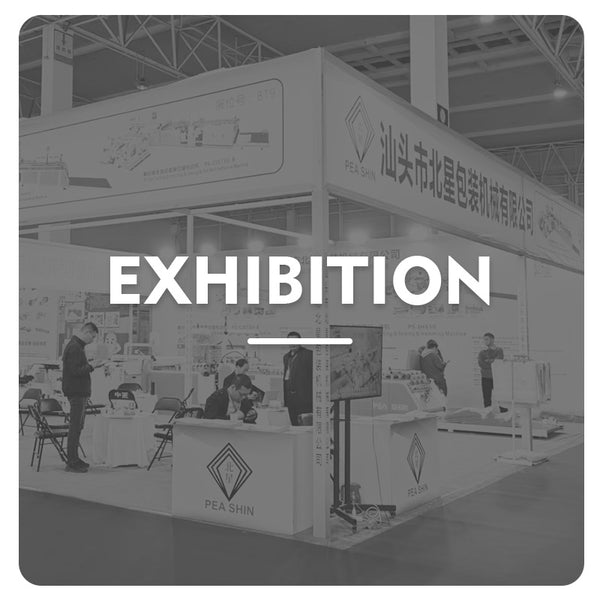
From April 21 to 24, 2026, the 38th CHINAPLAS was successfully held at the National Exhibition and Convention Center (NECC) in Shanghai, China. Under the theme “Transformation, Collaboration, and Shaping a Sustainable Future,” the exhibition focused on four key areas: circular economy, digitalization, innovative materials, and high-end technology made in China. The scale reached a new high, with an exhibition area exceeding 390,000 square meters, bringing together over 5,000 quality exhibitors – an 11% increase from 2024.
Against a backdrop of volatile raw material prices and complex supply chain shifts, CHINAPLAS 2026 showcased cutting-edge solutions including AI-driven smart manufacturing, high-percentage recycled material applications, and downgauging technologies – providing valuable direction for the high-quality development of the flexible packaging industry.
If you would like to learn more about ABA three-layer co-extrusion blown film technology, please feel free to contact us via the form on our independent website. Our professional team is ready to provide end-to-end support – from equipment selection to production optimization.