


4 Key Trends in Bag Making Machine Automation Upgrades
The Trend of Automation Upgrades in Bag Making Machines
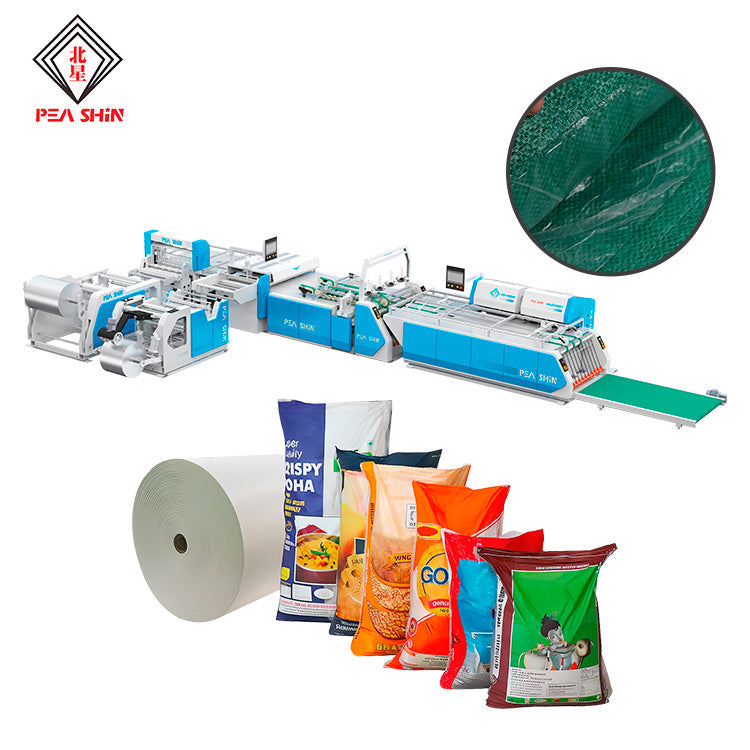
The automation upgrade of bag making machines is leading the packaging industry towards efficiency, precision, and sustainability, with core trends summarized in four key directions: Intelligence, Flexibility, Green, and Integration. Through technological convergence and innovation, the industry is undergoing a transformative shift.
1. Intelligence and IoT Integration
1. Advanced Core Technologies
- High-Precision Control Systems: Modern bag making machines widely adopt Servo Control Systems and Machine Vision Recognition Technology, achieving operational precision within ±0.1mm and tension fluctuation control within ±0.2°.
- Remote IoT Monitoring: Industrial IoT (IIoT) enables remote equipment monitoring and diagnostics, supporting Predictive Maintenance to reduce fault response time to within 30 seconds, significantly minimizing downtime.
- AI Empowerment: Vision systems based on Deep Learning Algorithms achieve 99.2% defect recognition accuracy, with automatic correction systems adjusting production parameters in real-time to ensure consistent packaging quality.
2. Data-Driven Intelligent Management
- Digital Twin Technology: Virtual equipment models enable Full Lifecycle Management, shortening new product development cycles by 35% and reducing debugging time by 42%.
- Cloud Data Platforms: Equipment connectivity has increased from 28% in 2020 to 61% in 2023, supporting real-time data collection, analysis, and remote maintenance for precise decision-making.
- Embedded Software Systems: Equipped with PLC Control Systems and HMI Interfaces, modern machines enable precise control and visual management of production parameters, enhancing operational efficiency and user experience.
2. Flexible Production Systems
1. Rapid Changeover Capability
- Modular Design: Standardized Functional Units allow for bag type changeover within 0.5 hours, meeting the demands of small-batch, multi-variety production.
- Multi-Material Compatibility: Capable of processing various packaging materials such as PE, PP, and composite films, adapting to diverse industry requirements.
- Intelligent Parameter Adjustment: AI Dynamic Parameter Adjustment Technology automatically optimizes vacuum levels and sealing temperatures for optimal processing of different materials.
2. Flexible Production Modes
- Adaptive Closed-Loop Control: Modern machines utilize Adaptive Closed-Loop Control Systems to automatically adjust operational parameters based on production conditions, maintaining stable and efficient production.
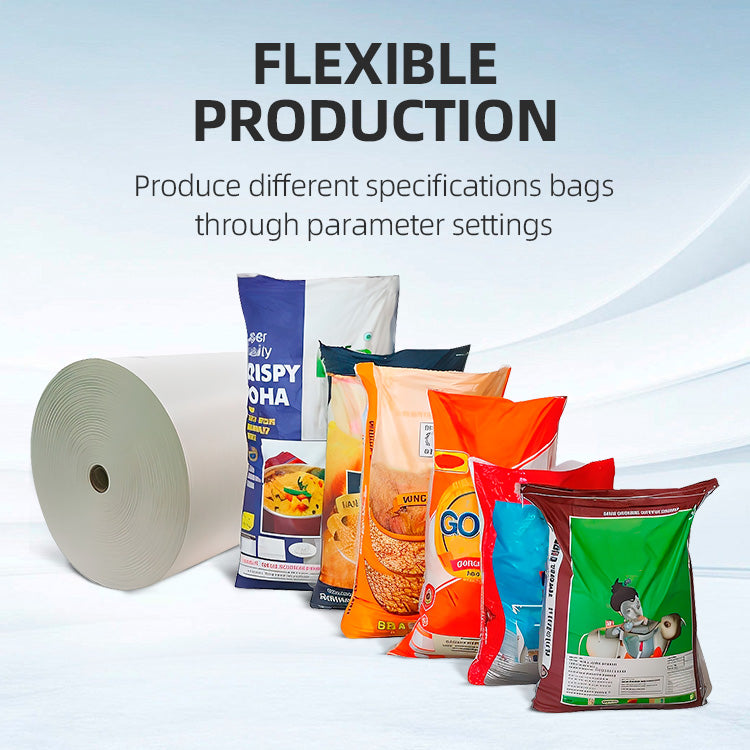
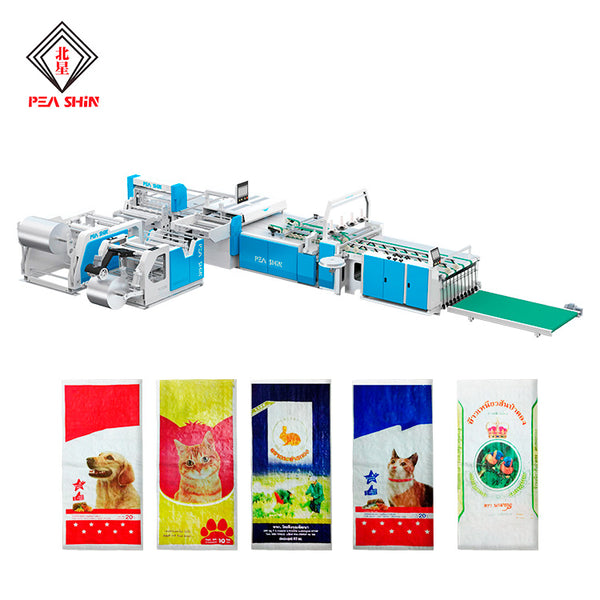
- Multi-Bag Type Production: Supports the production of various bag types, including stand-up bags, zipper bags, and gusseted bags, meeting the diverse packaging needs of the food, pharmaceutical, and consumer goods industries.
- Customized Solutions: Enterprises can provide tailored bag-making solutions based on specific customer requirements, enhancing market competitiveness.
3. Green Energy Efficiency and Sustainable Development
1. Enhanced Energy Efficiency
- Servo Drive Technology: Servo Motor Drive Systems reduce unit energy consumption by over 20%, significantly lowering energy usage compared to traditional equipment.
- Heat Recovery Systems: Heat Recovery Technology reuses residual heat from the sealing process, increasing energy utilization to 85%.
- Low-Temperature, Low-Pressure Processes: Innovative low-temperature, low-pressure alternatives to high-temperature, high-pressure processes reduce production energy consumption by over 18%, while improving material strength and yield.
2. Eco-Friendly Material Adaptation
- Biodegradable Material Processing: Equipment supports the processing of PLA, PBAT, and other bio-based biodegradable materials, aligning with global environmental trends and "dual carbon" policy directives.
- Precision Measurement Technology: High-precision weighing systems minimize packaging material consumption and raw material waste, reducing material loss rates to 2.5%, well below the industry average of 8%.
- Solvent-Free Process Applications: Solvent-Free Lamination Technology eliminates pollution at the source, enabling green production while enhancing efficiency.
4. Integrated and Collaborative Innovation
1. Full-Line Automation Development
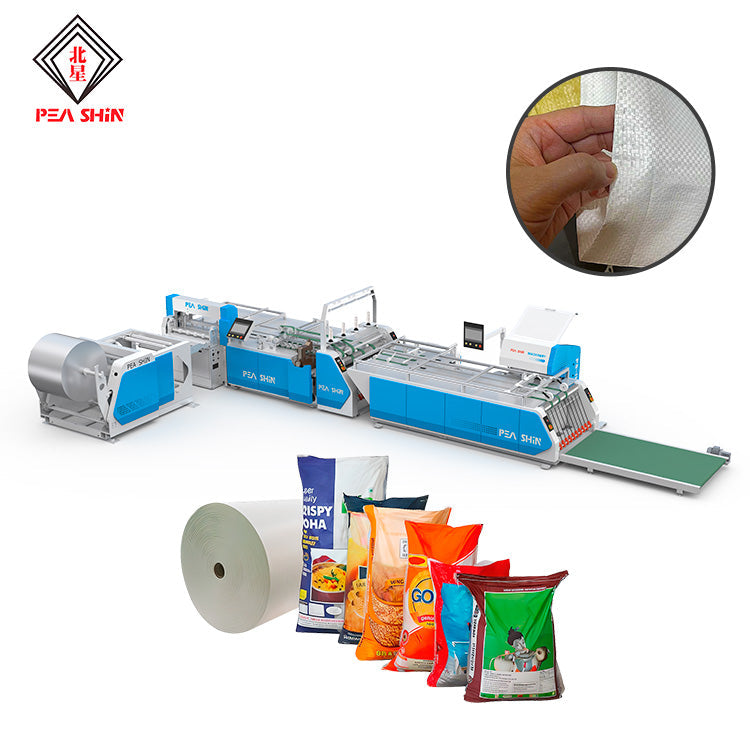
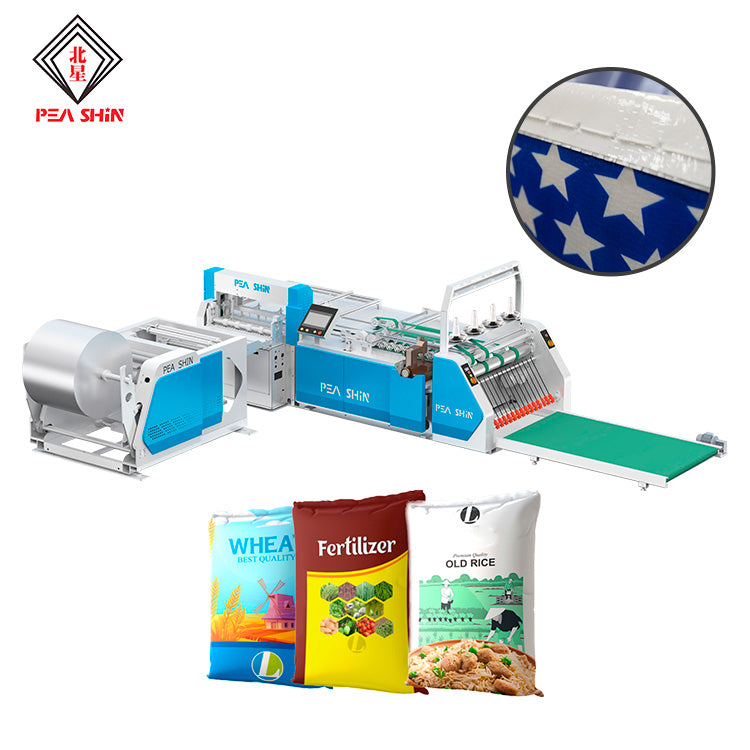
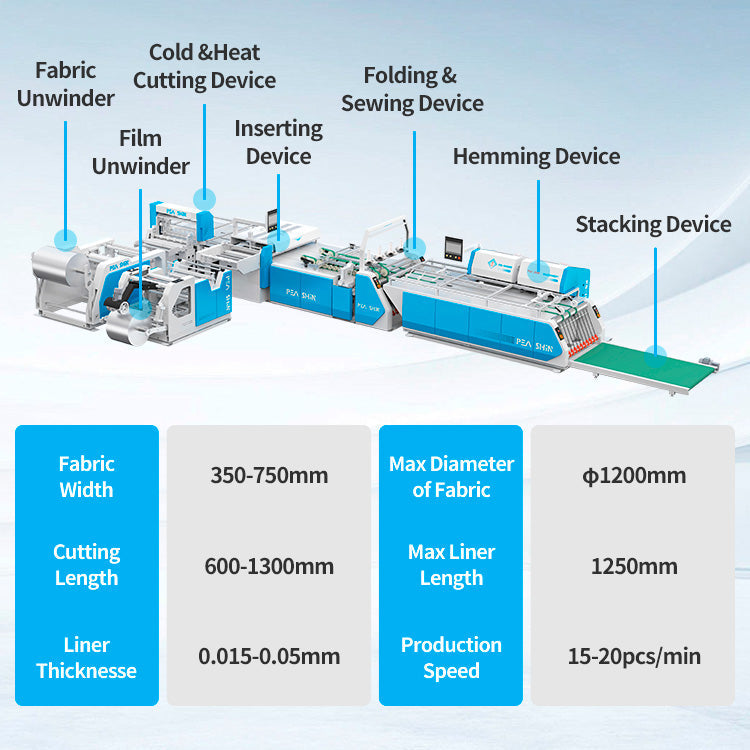
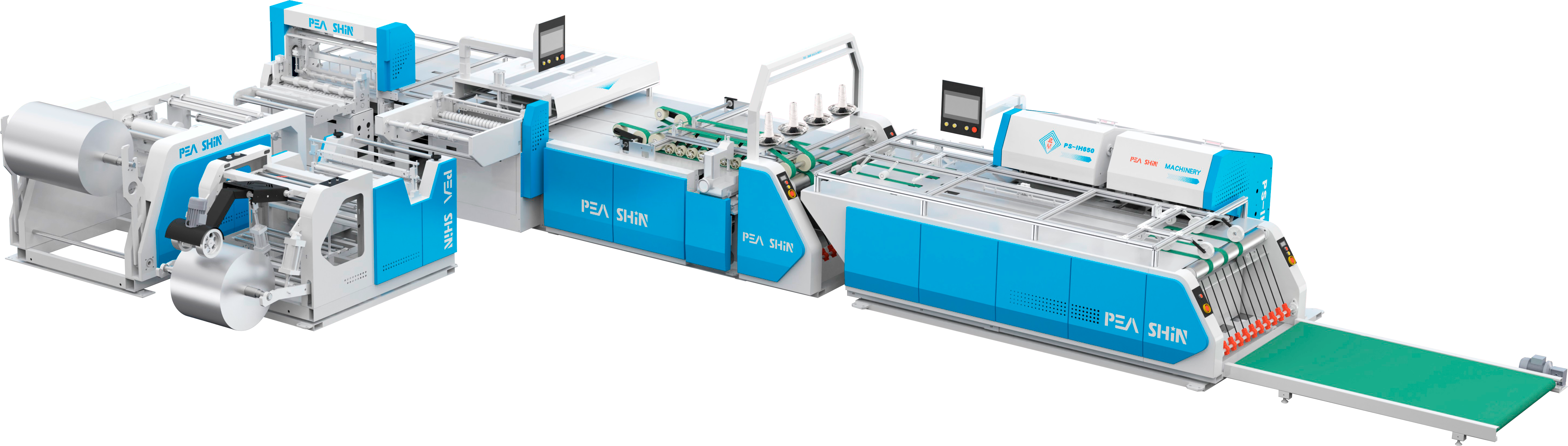
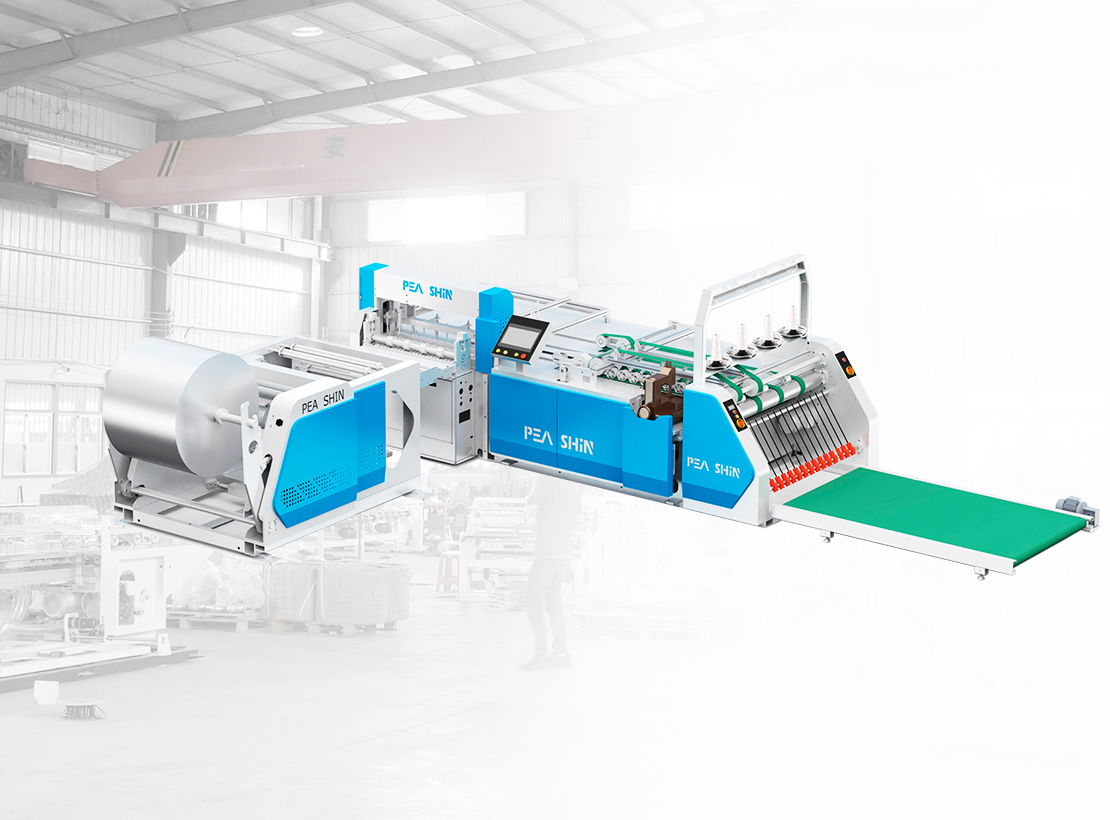
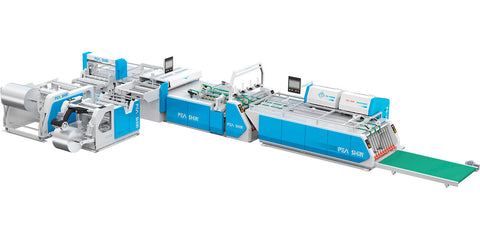
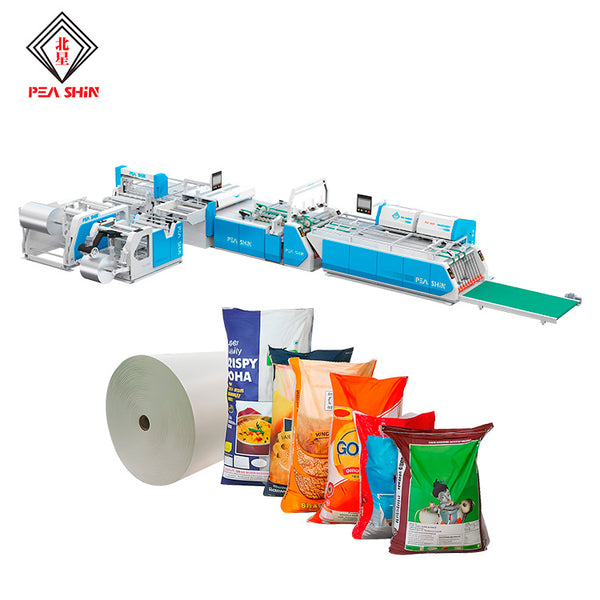
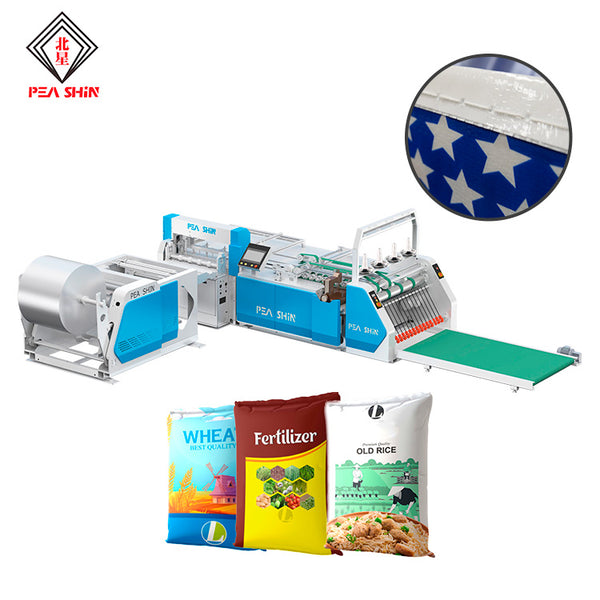
- Integrated Solutions: Transitioning from single-machine automation to complete automatic production lines, integrating functions such as quantitative packaging, vacuum shaping, and intelligent palletizing, achieving "end-to-end" automated operations.
- FFS Technology Application: Form-Fill-Seal (FFS) integrated technology has become the industry standard, holding 56.7% of the market share in 2024, offering economic savings, high speed, high precision, and stable operation.
- Multi-Function Integration: Modern bag making machines can integrate labeling, coding, and weighing functions, reducing intermediate steps and improving overall production efficiency.
2. Collaborative Innovation Across the Supply Chain
- In-House Core Component Development: Enterprises with capabilities in complete machine design, in-house core component development, and system integration hold significant competitive advantages, driving the industry's shift from "selling equipment" to "selling services."
- Smart Manufacturing Ecosystem: Leveraging Industry 4.0 technologies, seamless integration between bag making machines and upstream/downstream equipment is achieved, building a comprehensive smart manufacturing ecosystem.
- Remote Diagnostics and Maintenance: Support for Over-the-Air (OTA) updates and remote diagnostics enables technicians to access equipment remotely for troubleshooting and software updates, saving time and costs.
Future Outlook and Industry Impact
With the continued advancement of Industry 4.0 and Artificial Intelligence technologies, the automation of bag making machines is poised for even greater progress. By 2030, the penetration rate of intelligent equipment is projected to exceed 55%, with the central and western markets emerging as new growth engines. Additionally, the demand for sustainable packaging will drive further innovations in eco-friendly technologies, while human-machine collaboration models will free workers from repetitive tasks, allowing them to focus on quality control and innovative work.
The automation upgrade of bag making machines is not merely a technological advancement but a catalyst for industry transformation, reshaping the competitive landscape of the packaging industry and providing more efficient, eco-friendly, and intelligent packaging solutions for downstream industries such as food, pharmaceuticals, and consumer goods.