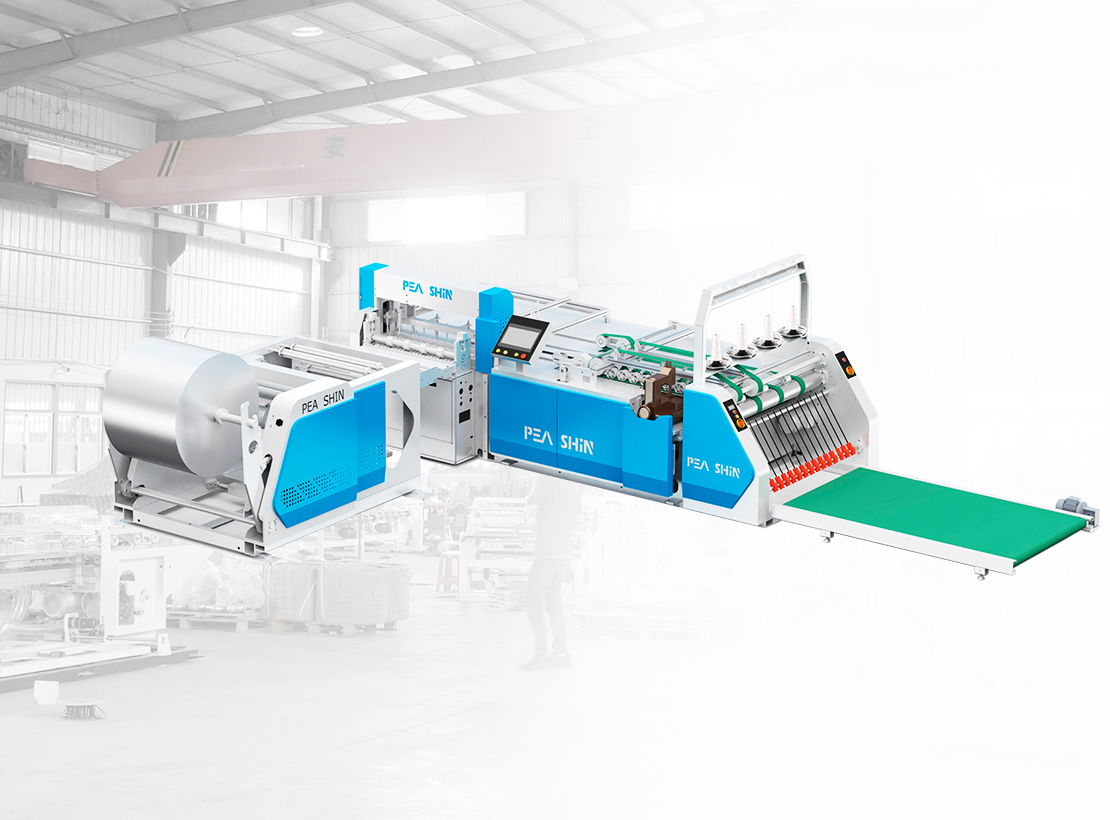
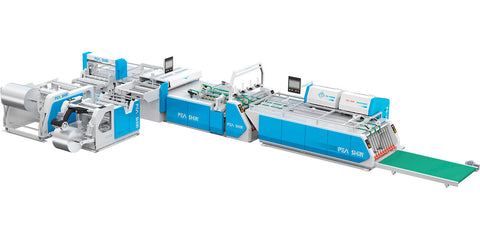


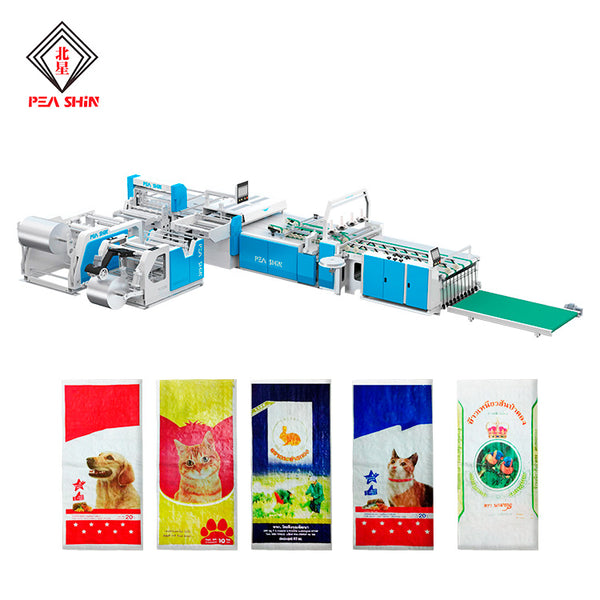


2026 Woven Bag Sewing Machine Trends: High-Speed Bottom Sewing, AI Inspection, and Smart IoT Drive the Next-Gen Bag-Making Line
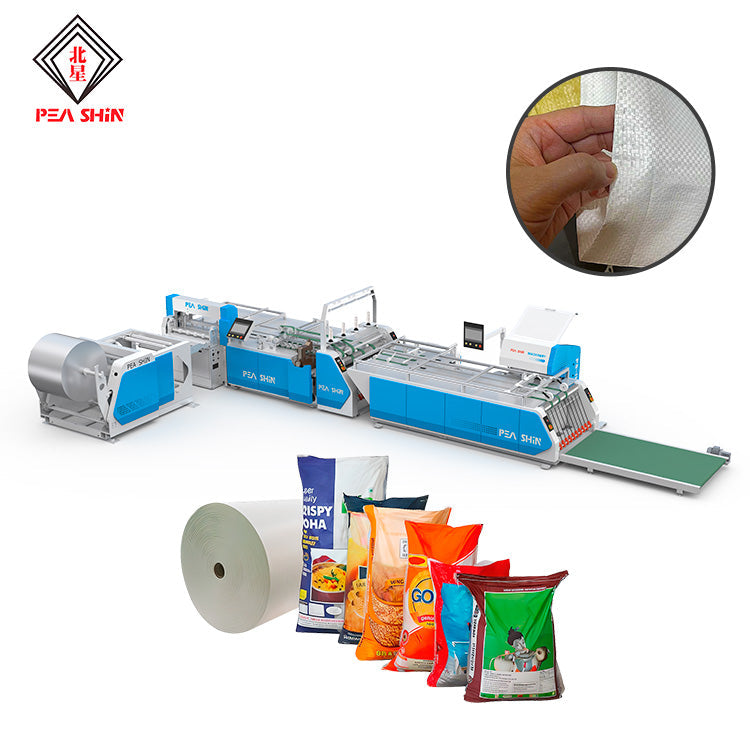
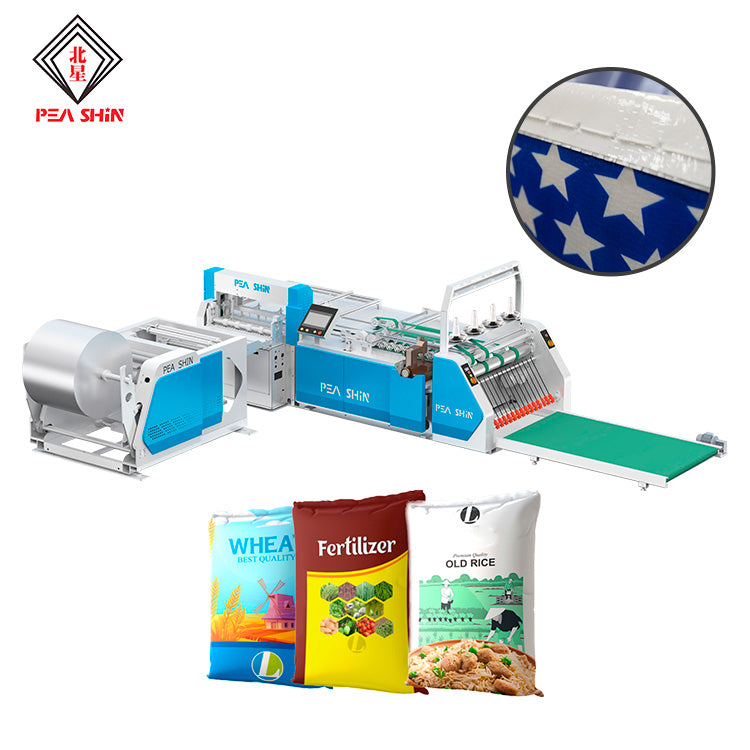
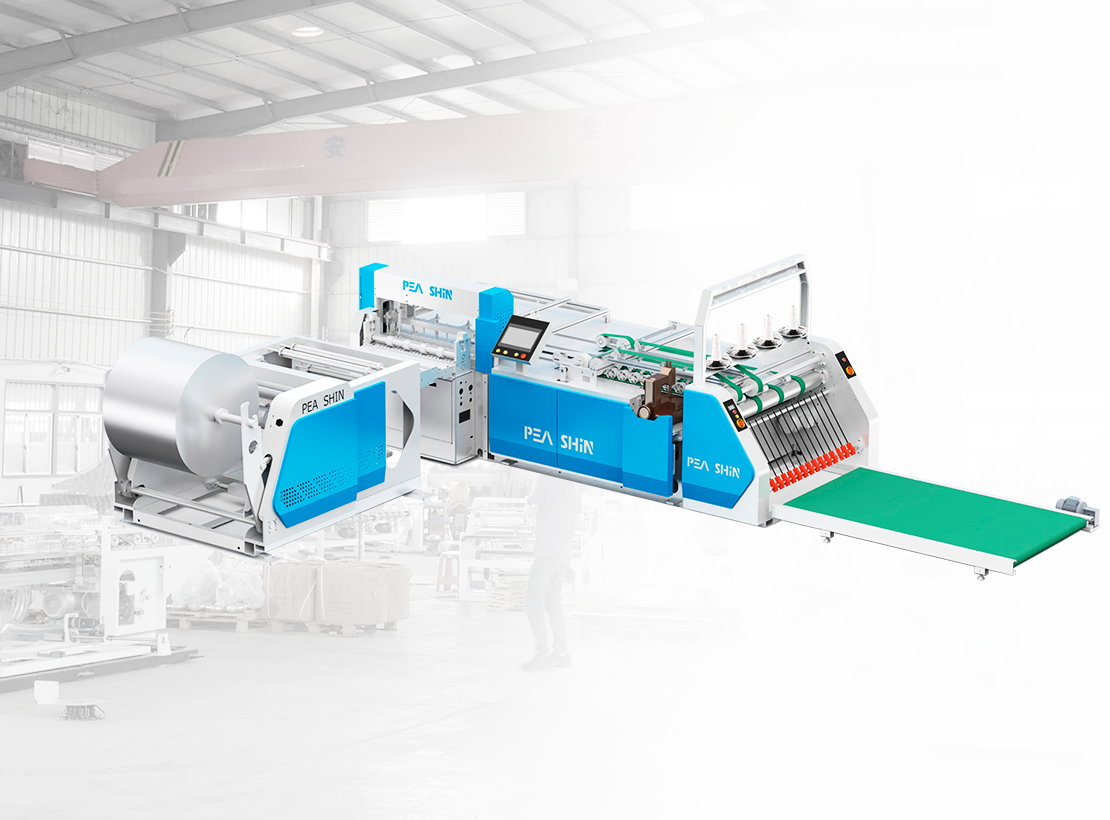
In the complete production flow of woven bags, if we say that tape extrusion, circular weaving, and printing define the "first half" of a bag's life, then the sewing stage is the "rite of passage" that delivers the bag’s ultimate usability. Whether the bags are intended for chemicals, feed, rice, or construction materials, the strength of the bottom and top seam seals directly determines the bag failure rate and customer trust. As one of the most critical units in a woven bag converting line, the woven bag sewing machine (bottom sewing machine / industrial sewing machine) is experiencing a fresh wave of technological breakthroughs in 2026. In this article, we will dive deeply into both the industry dynamics and the technical updates, giving you a thorough professional analysis.
I. Industry Dynamics: Green Packaging and Efficiency Anxiety Driving Sewing Equipment Upgrades
Between 2025 and 2026, the global woven bag market demand structure has undergone subtle but significant shifts. On one hand, increasingly stringent environmental regulations have led to a sharp rise in the proportion of recycled PP/PE woven bags. On the other hand, continuously climbing labor costs have pushed end-users' desire for "unmanned sewing workshops" to an all-time high.
The challenge of sewing recycled materials has been solved.
Recycled material woven bags typically feature short fibers, higher stiffness, and poor elasticity, making traditional sewing machines highly prone to skipped stitches, thread breakage, and needle-hole tearing. The latest industry trend for 2026 reveals that leading sewing machine manufacturers have specifically developed double-needle chainstitch large-stitch compensation technology combined with a Teflon-coated presser foot system. Coupled with electronic stitch length adjustment, even bags containing over 30% recycled content can now achieve flat, full stitch lines with a seam strength not less than 98% of that achieved on virgin material bags.
Demand for ultra-high-speed bottom sewing is surging.
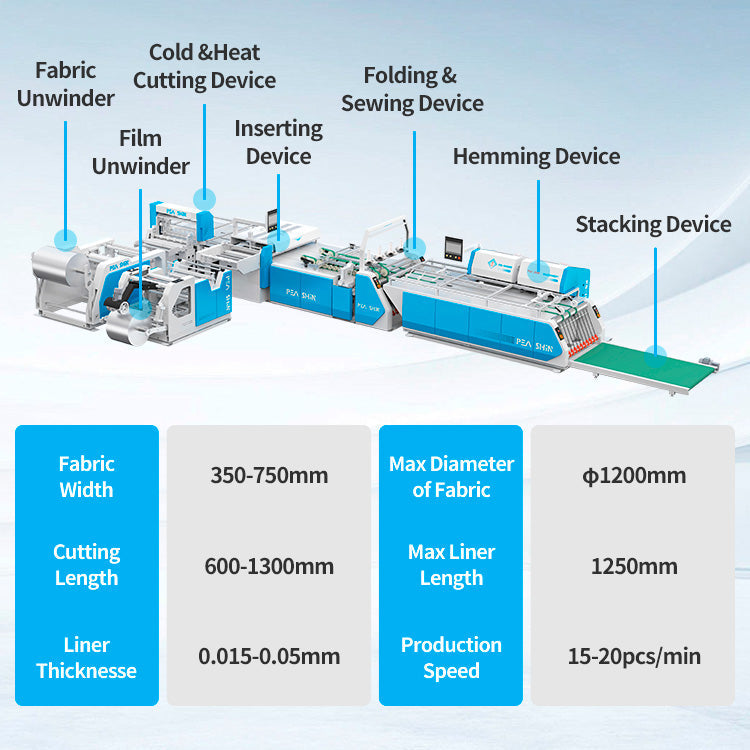
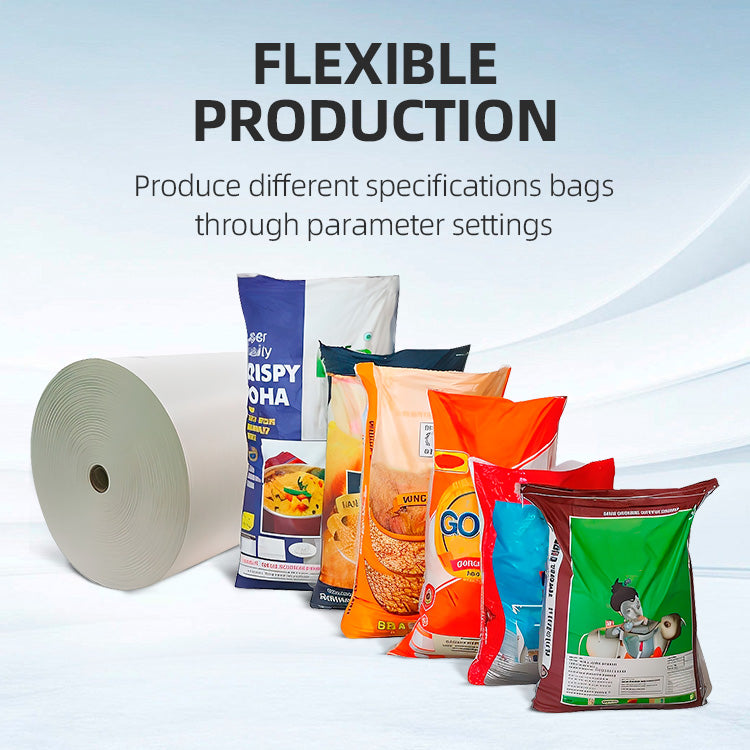
Influenced by the "small batch, multi-variety" orders typical of e-commerce logistics, changeover frequency for medium-sized woven bags (widths between 45 cm and 75 cm) has significantly increased. The stable production speed of mainstream automatic bottom sewing machines in the industry has leaped from the previous 25–35 bags per minute to 45–55 bags per minute, with top-tier models even exceeding 60 bags per minute for specific bag lengths, while changeover time has been compressed to under 90 seconds. This makes "flexible high-speed sewing" a practical reality.
II. Technical Updates: Five Core Breakthroughs Redefining Woven Bag Sewing Machines
1. Direct-Drive Servo and Electronic Feeding: Moving from "Mechanical Fixed Length" to "Fully Digital Control"
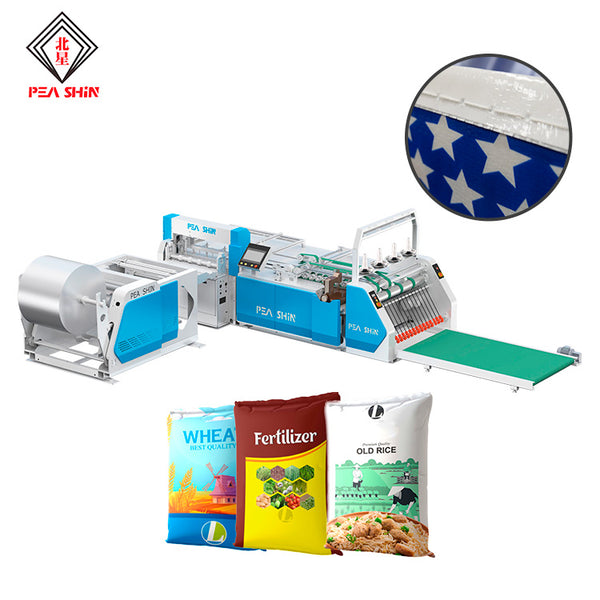
In the past, woven bag bottom sewing machines largely relied on mechanical cams or stepper motor-driven material pulling, which were prone to cumulative errors. By 2026, new-generation machines are comprehensively adopting integrated direct-drive servo motors and dual-axis electronic feeding systems.
-
Compound needle-feed and bottom-feed mechanism: Driven by independent servo motors respectively, real-time interpolation calculations via PLC guarantee zero deviation in stitch length even during acceleration and deceleration phases.
-
Electronic length setting and registration mark tracking: All parameters – bag length, seam width, and stacking offset – can be set with one touch on a 10-inch touchscreen, completely eliminating the need for manual handwheel adjustment and alignment.
2. Non-Contact Thread Break Detection and Automatic Re-stitching: Approaching "Zero-Defect" Quality Control
Thread breakage or bobbin run-out is the biggest hidden killer of the sewing process; traditional mechanical break detection responds too slowly, often allowing several defective bags to be produced before triggering an alarm. The latest laser reflective non-contact thread break detection technology senses thread abnormalities within 0.05 mm of displacement and directly triggers an emergency stop and presser foot lift within 2 milliseconds. More intelligent systems also integrate AI-based stitch vision final inspection – high-speed cameras capture stitch morphology while the bag is being conveyed, instantly alerting the master controller and individually ejecting the faulty bag if a skipped stitch or loose thread is detected, achieving an outflow yield rate above 99.9%.
3. Integrated Hot-Cutting & Sewing and the New "Ultrasonic Welding" Route
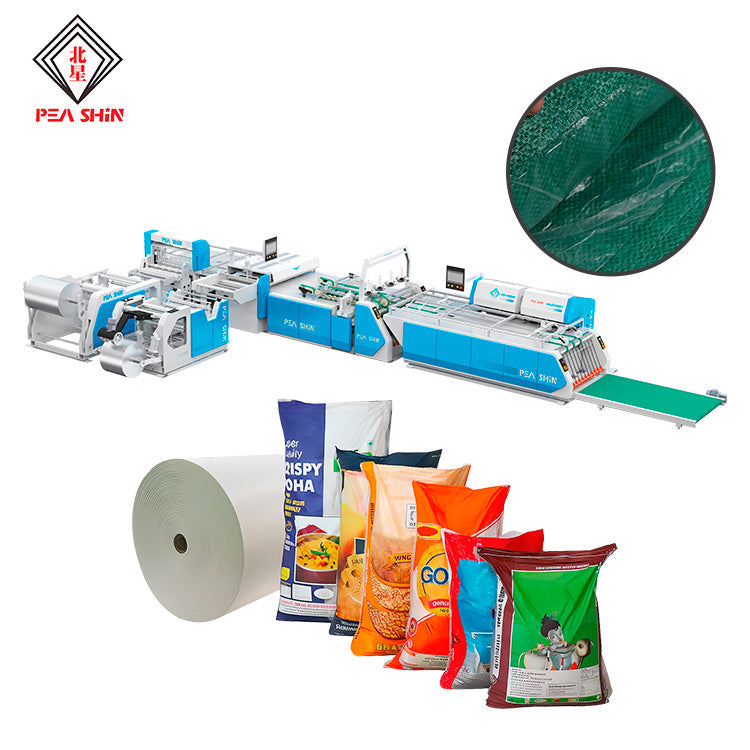
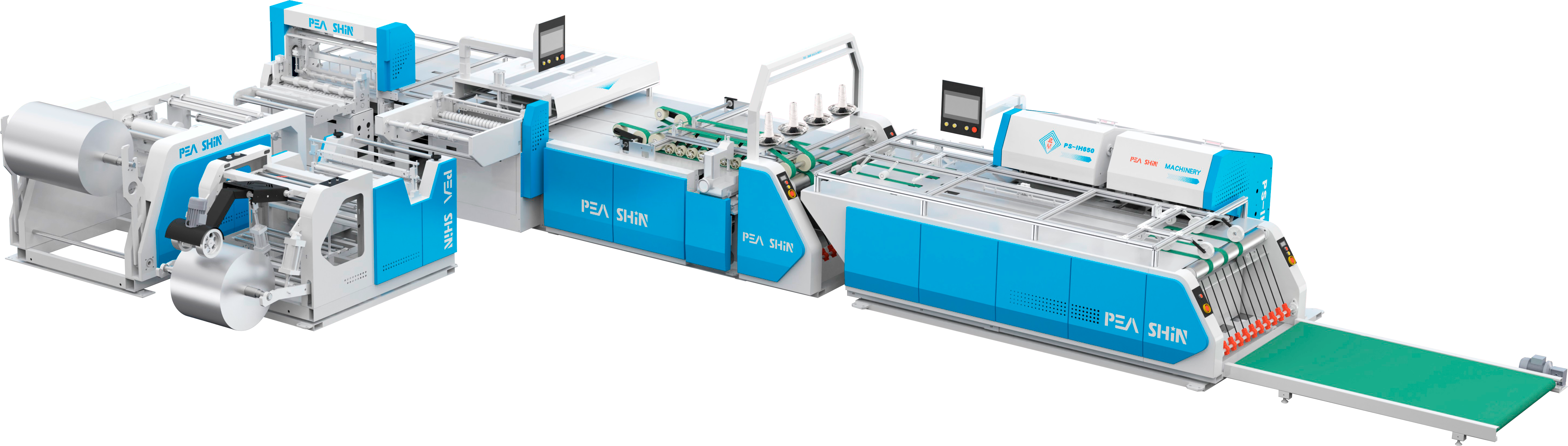
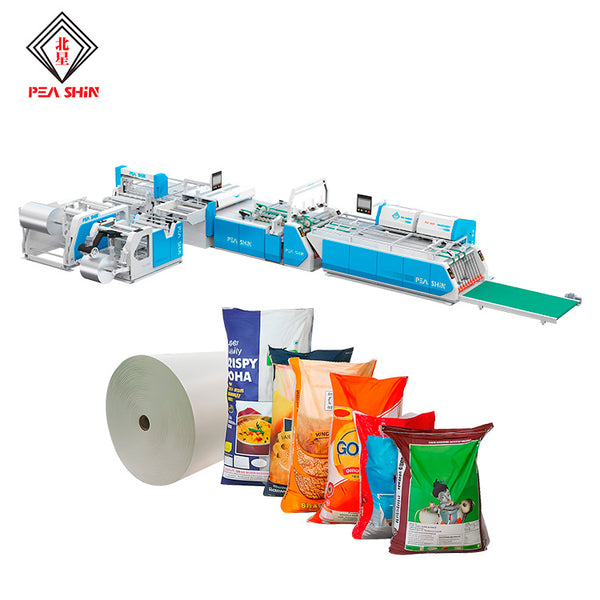
To address the fraying inherent to woven bags, the "hot cutting + sewing" integrated process continues to deepen. Behind the cold or hot cutting knife, a fully automatic hemming folder and sewing head form a closed loop: cut fabric panels are no longer manually transferred but proceed directly into edge folding, bottom sewing, counting, and stacking, truly realizing the concept of "fabric roll in, stack of bags out."
Even more noteworthy is that for certain moisture-proof and leak-proof woven bags, ultrasonic welding technology is beginning to move from the lab to the production line. By using high-frequency vibrations to fuse PP material itself without any thread, it provides a clean, zero-lint, zero-needle-hole alternative suitable for liner sealing in chemical powder bags.
4. Intelligent Lubrication and Predictive Maintenance
Woven bag workshops are dusty environments, causing rapid wear on sewing machine rotary hooks and thread take-up levers. In 2026, leading brands are incorporating IoT remote monitoring modules as standard. Operational data on current, vibration, temperature, etc., are uploaded to the cloud in real time. Algorithmic models can predict risks such as hook seizure or feed dog wear 72 hours in advance and automatically generate maintenance work orders. Simultaneously, micro oil-air lubrication systems have replaced manual oiling, delivering every drop of oil precisely, which not only guarantees the high-speed life of 6000 RPM rotary hooks but also eliminates oil stains on bag surfaces.
5. Multi-Head Clusters and Robot Collaboration
For extra-heavy and oversized woven bags (such as FIBCs or bulk bags), the sewing station is highly dependent on highly skilled technicians. Now, cluster workstations based on six-axis industrial robots + heavy-duty long-arm sewing machines are reaching maturity. The robot grips the bag body and performs mouth folding, lifting loop positioning, and multi-layer stitching in space, aided by laser projection positioning lines, enabling novices to produce evenly spaced reinforced seams comparable to those of veteran operators after minimal training. This completely solves the chronic pain points of "labor shortage and high quality variability" in FIBC sewing.
III. Selection and Future Outlook: What Kind of Sewing Machine Will Not Become Obsolete in the Next Three Years?
-
Must support digital twins and remote debugging: When sampling new designs, engineers can complete recipe switching by downloading parameter packages over an encrypted channel without being on-site.
-
Compatibility with multiple eco-friendly thread types: It should handle PLA biodegradable threads, high-tenacity polyester filament threads, and recycled cotton threads with ease, with the tension control module featuring adaptive algorithms.
-
Modular sewing head design: Allows for quick replacement of needle plates, feed dogs, and presser foot assemblies during specification changes, even supporting switching from single-needle lockstitch to double-needle chainstitch – one machine, multiple uses.
In Conclusion
The woven bag sewing machine of 2026 is no longer merely "a motor driving a needle and thread." It has evolved into a highly intelligent terminal integrating precision mechanics, servo control, machine vision, and the industrial internet. For woven bag factory owners, choosing the right bottom sewing machine is no longer just a competition of who runs faster, but rather who suffers fewer stoppages, who changes over quicker, and who can better adapt to tomorrow’s batch of uncertain, varying orders.
If you are looking for a new generation of efficient, intelligent, and low-maintenance woven bag converting and bottom sewing line solutions, you should carefully scrutinize whether the above technologies are implemented in the equipment you are evaluating. We continuously track the world's leading sewing technologies, providing every woven bag manufacturer with equipment upgrade solutions that withstand market testing. Welcome to browse our product center, or communicate directly one-on-one with a solutions engineer to obtain a customized quotation for your woven bag production line.