

Why Our Product Costs More: Unveiling the Value Behind Premium Quality
1. Unmatched Durability & Maintenance Simplicity: Where Details Drive Efficiency
At our cutting stations, every screw component is secured with calibrated torque wrenches to ensure absolute stability and prevent loosening. All ground support plates, tracks, and accessories feature a modular "blocks-style" design. While this requires precision molds and advanced machining, it allows untrained personnel to effortlessly replace parts by simply aligning components with pre-engineered slots—no expert technicians required. Though this elevates production costs, it drastically reduces machine downtime and labor expenses over time, lowering the Total Cost of Ownership (TCO) for customers.
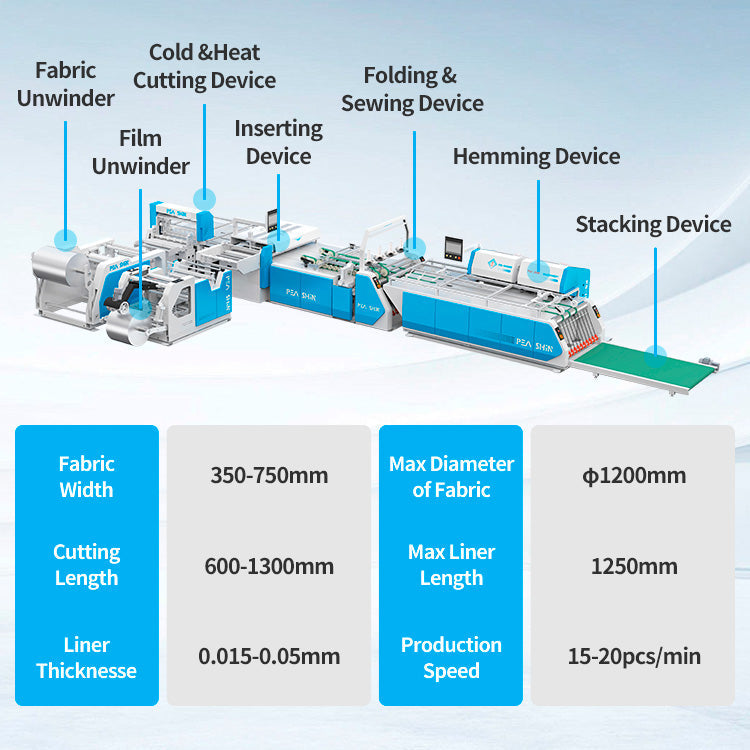
Our hot knife employs a triangular blade with dual-sided opening devices to prevent sealed bag edges after cutting. The cold knife uses a scissor-type large blade, enabling clean, efficient cuts through thick materials or side-pleated bags. These specialized designs—though costlier to produce—ensure consistent cutting quality, minimize waste, and maximize production value.
2. Precision Engineering & Modular Assembly: Complexity Made Simple
Every component undergoes 6–8 surface precision machining and integrates dowel pin alignment. This meticulous process demands longer production cycles and advanced CNC equipment but delivers foolproof assembly: parts lock into position via dowel pins, and a single screw secures them. Even tracks snap precisely into panel grooves, eliminating misalignment risks. This "plug-and-play" philosophy reduces commissioning time, prevents assembly errors, and slashes long-term maintenance costs—proving that upfront investment in precision pays off in operational reliability.

3. Intelligent Hot/Cold Knife Switching: Efficiency at Your Fingertips
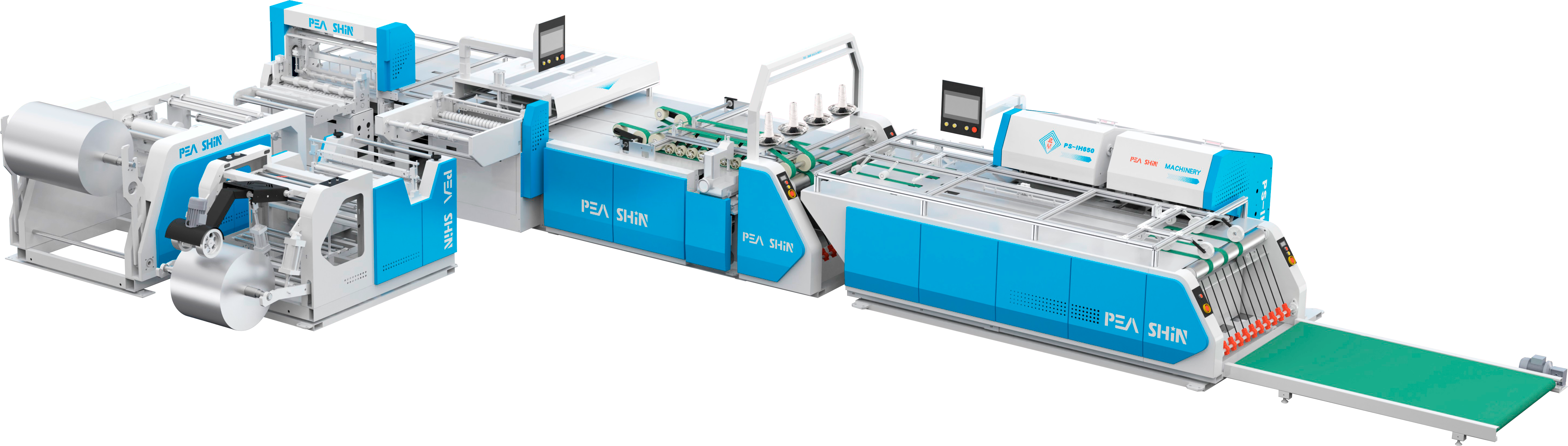
Our proprietary one-button hot/cold knife switching system uses dual servo-controlled modules—one for the hot knife (upper section) and one for the cold knife (lower section). With a single press, operators seamlessly transition between cutting modes via vertical servo movement. Developing this integrated system required significant R&D in servo mechanics and control software, far exceeding the cost of manual alternatives. Yet the payoff is immediate: switching time drops from minutes to seconds, boosting productivity while eliminating human error. Here, higher cost directly translates to higher output.

4. Heavy-Duty Solid Cast Iron Frames: Stability Over Shortcuts
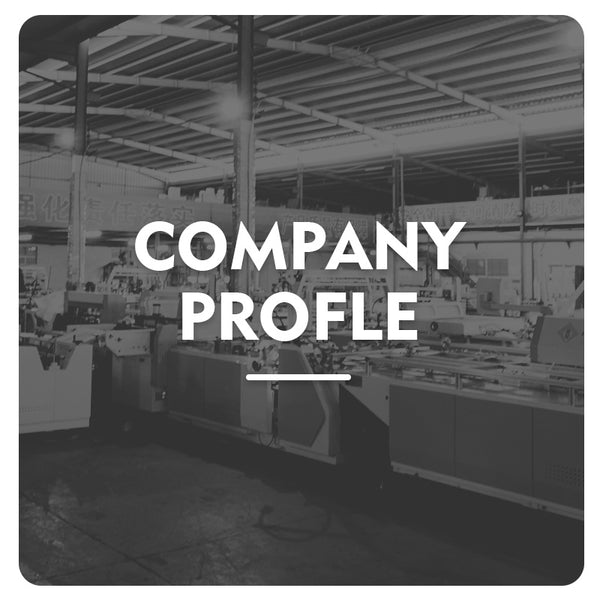
Step into our machining workshop, and you'll see frames crafted from 5–10 cm thick solid cast iron—not the steel plates, angle iron, or square tubes commonly used by competitors. For machines exceeding 6 meters in length, transport-induced deformation is a critical risk, especially at welded joints. Solid cast iron's superior rigidity prevents warping, ensuring lifelong precision. Though this choice adds ~¥50,000 RMB (≈$7,000 USD) per frame in material and logistics costs, it guarantees zero structural drift, minimal vibration, and decades of trouble-free operation. In industrial machinery, stability isn't a luxury—it's the foundation of productivity.

Why Choose Us?
- Superior materials: Solid cast iron frames > thin steel alternatives.
- Precision craftsmanship: Multi-surface machining and dowel pins ensure perfect alignment.
- Smart innovation: Servo-driven switching replaces error-prone manual processes.
- User-centric design: Modular parts empower any operator to maintain equipment.
But if you seek reliability that pays dividends for years, we prove: Premium pricing isn't a cost—it's an investment in your success.
Published Date: June 9, 2026