



2026 Woven Bag Making Machine Trends: What Manufacturers in Emerging Markets Need to Know
The woven bag industry is undergoing a significant transformation in 2026. For manufacturers in Central Asia, West Asia, Southeast Asia, Africa, and South America — regions where agriculture, construction, and infrastructure development continue to drive demand for woven packaging — staying ahead of these trends is essential for maintaining competitiveness.
Trend 1: Speed and Intelligence Dominate the Market
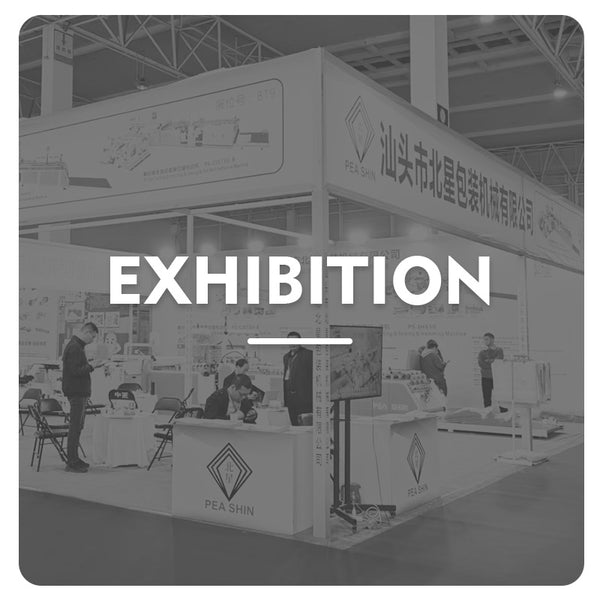
At CHINAPLAS 2026, held in Shanghai this April, the bag making machinery sector showcased a clear direction: high-speed production combined with intelligent control. New-generation woven bag making machines are no longer just about "running faster" — they emphasize a balance between speed and stability.
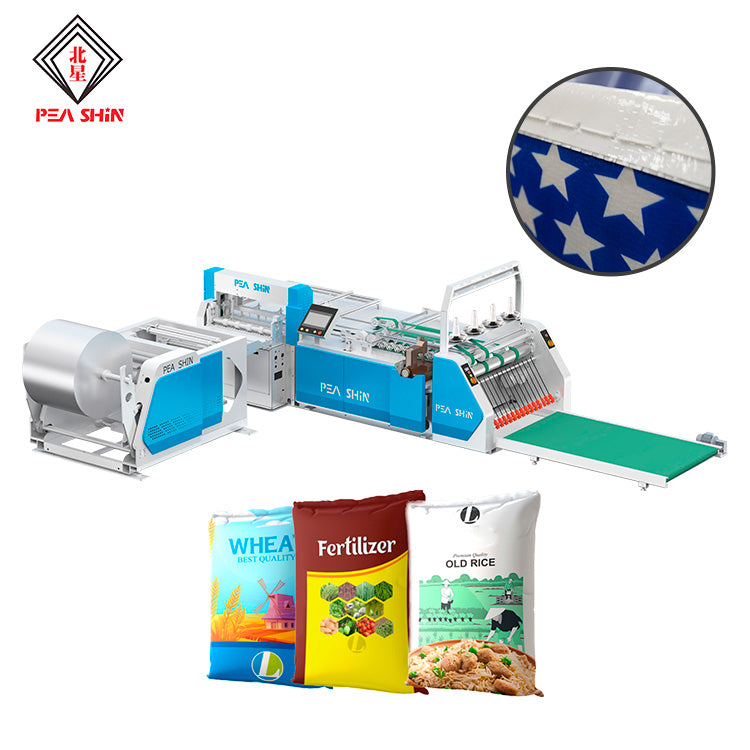
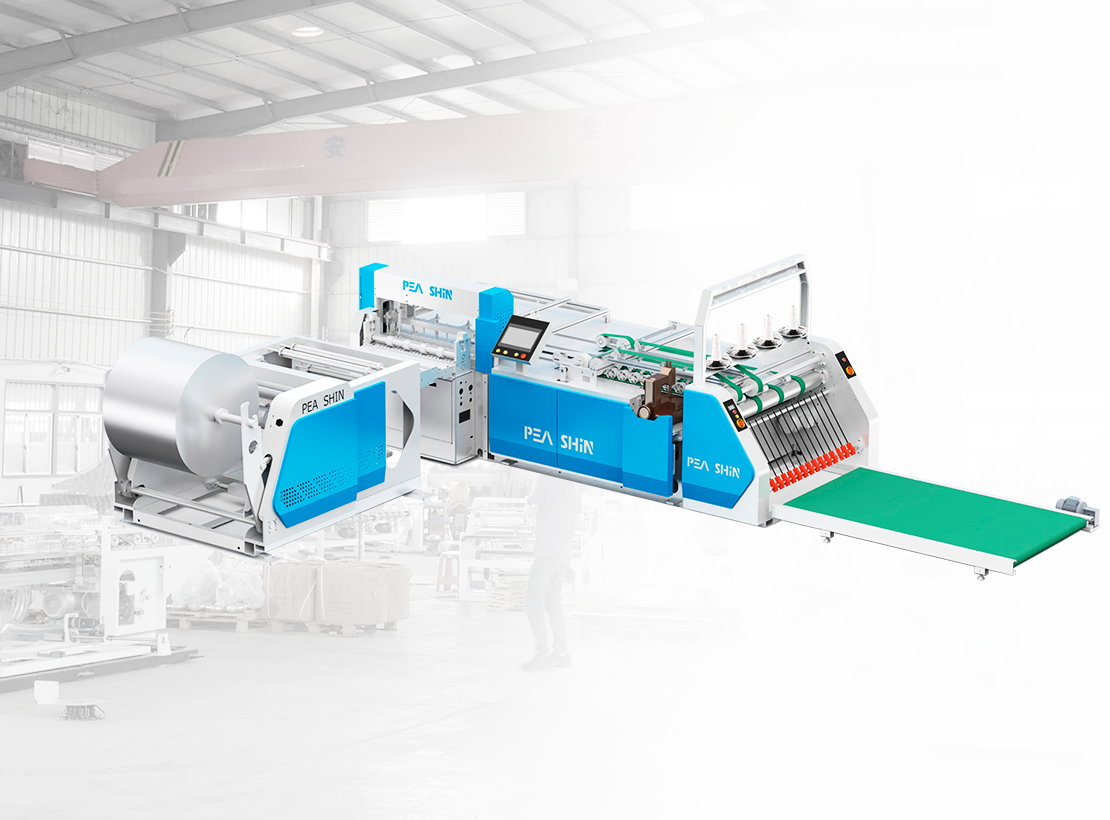
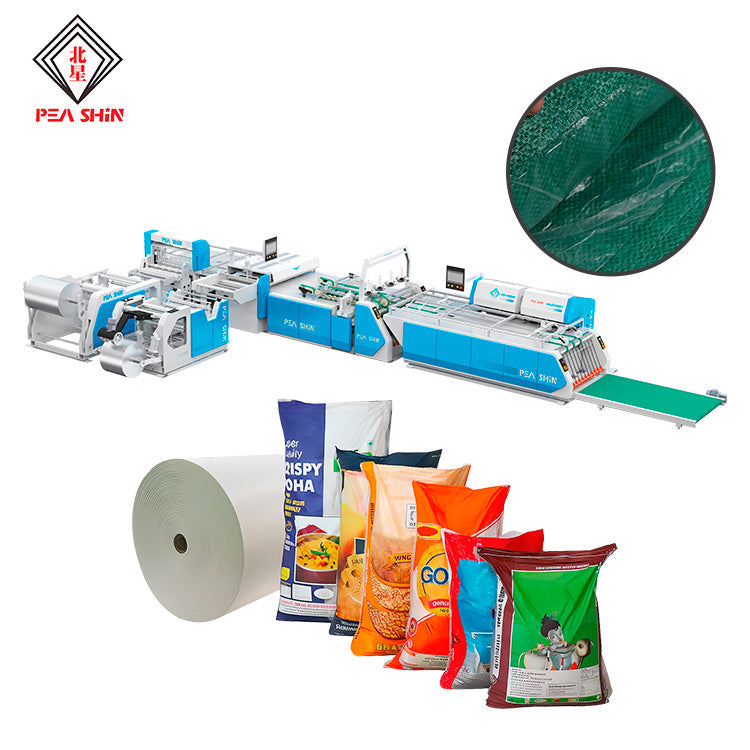
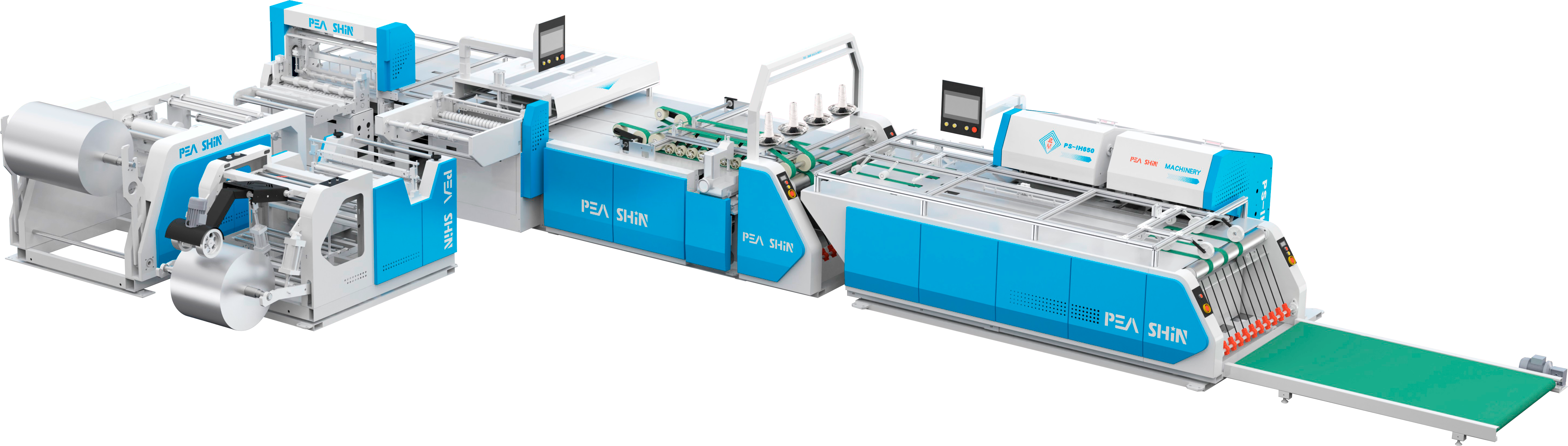
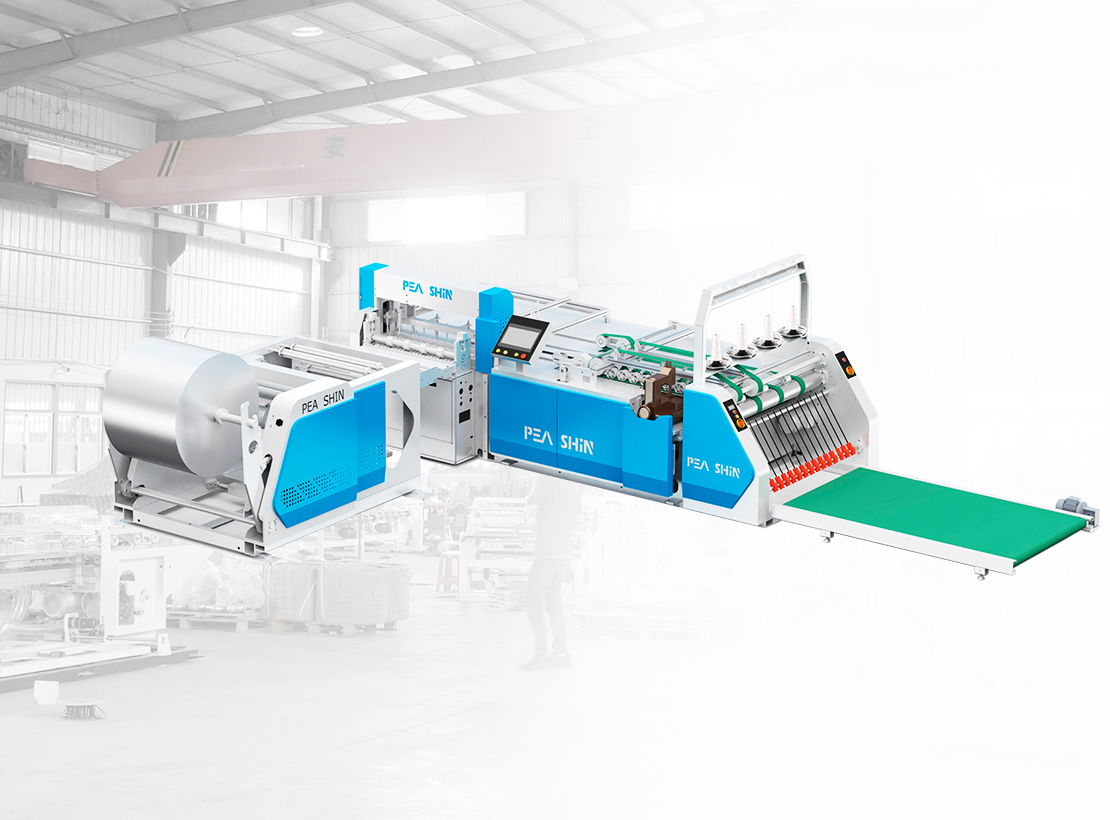
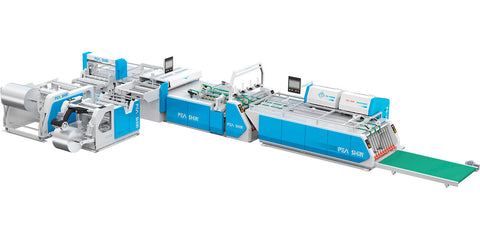
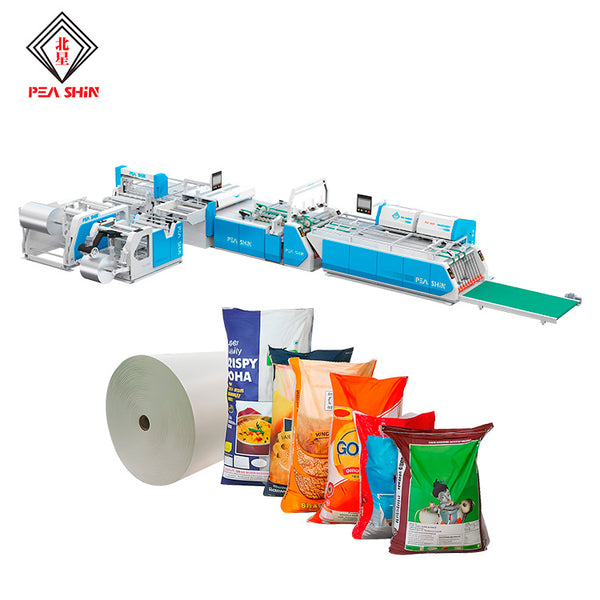
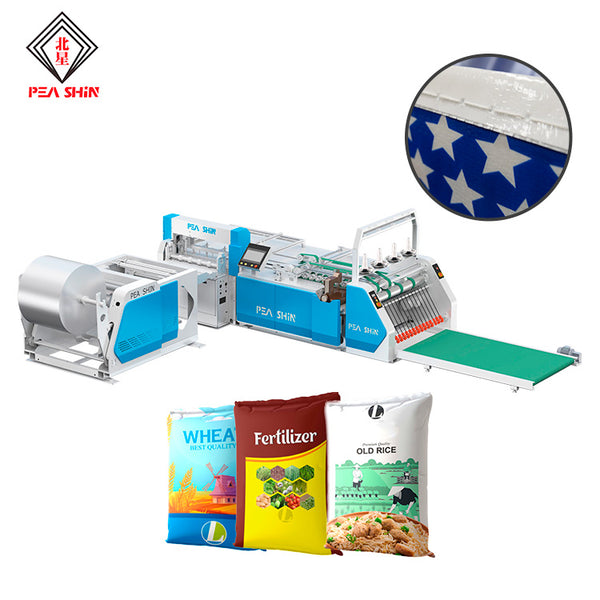
PEASHIN's high-speed woven bag making machines, optimized for feeding, positioning, heat sealing, and cutting, now achieve stable high-speed production while supporting rapid job changes for various bag sizes. The industry has moved from "experience-based operation" to "data-driven" production management.
Trend 2: The Rise of Automated Inner Lining Solutions
Inserting an inner liner bag into a woven outer bag has long been a complex, labor-intensive process with low automation. Traditional manual lining is not only inefficient but also struggles to meet high-precision positioning requirements.
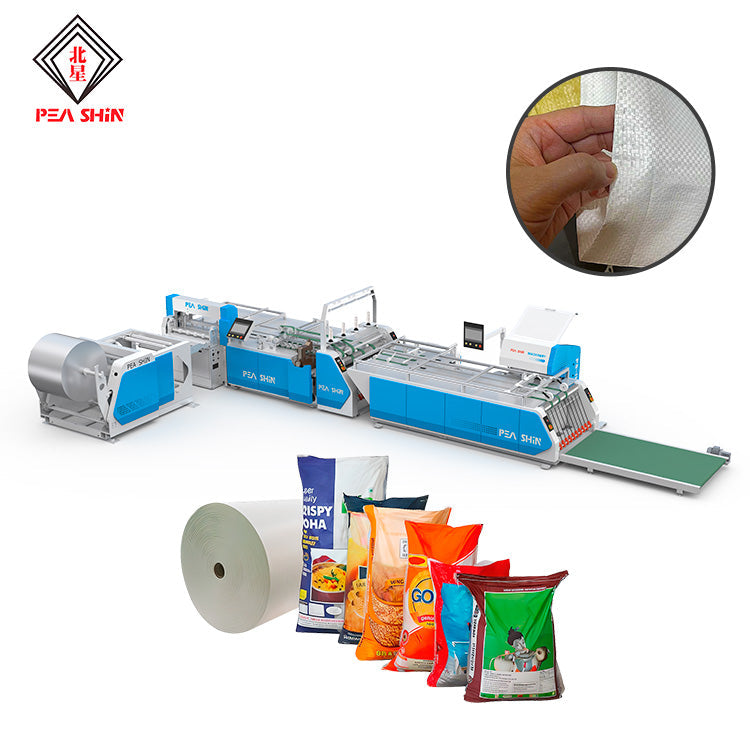
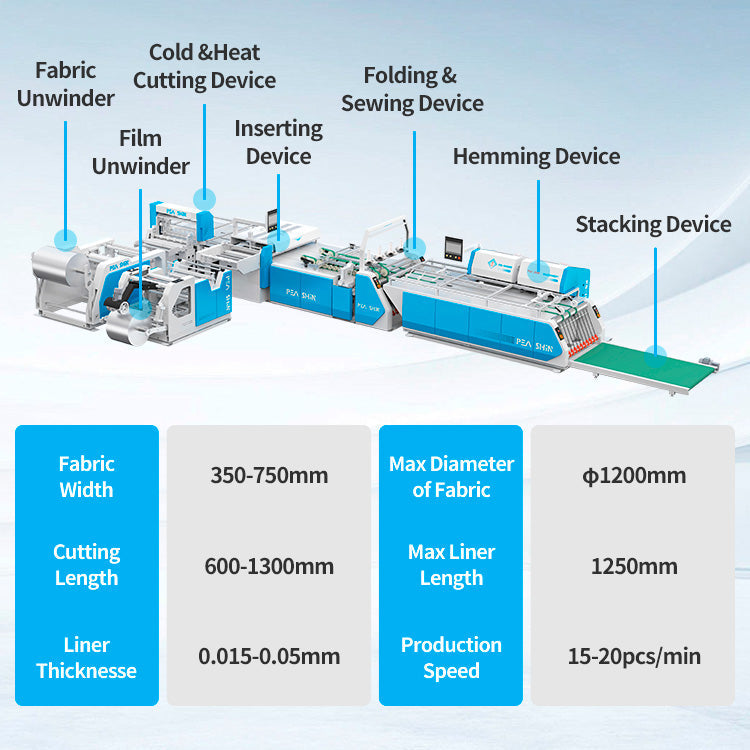
At CHINAPLAS 2026, automated inner lining bag machines emerged as a major highlight. Fully automatic sack-in-sack machines now enable automatic insertion, positioning, and heat sealing of the inner liner into the outer woven bag in one step — significantly reducing labor costs while solving the persistent problems of low efficiency and inaccurate positioning. This is particularly relevant for emerging markets where labor costs are rising but automation adoption is still catching up.
Trend 3: Sustainability Drives Material Innovation
Between 2025 and 2026, the global woven bag market demand structure has undergone significant shifts. Increasingly stringent environmental regulations have led to a sharp rise in the proportion of recycled PP/PE woven bags. The global woven plastic packaging market is projected to grow from USD 4.32 billion in 2026 to USD 7.56 billion by 2035, driven by sustainability trends and rapid growth in Asia Pacific.
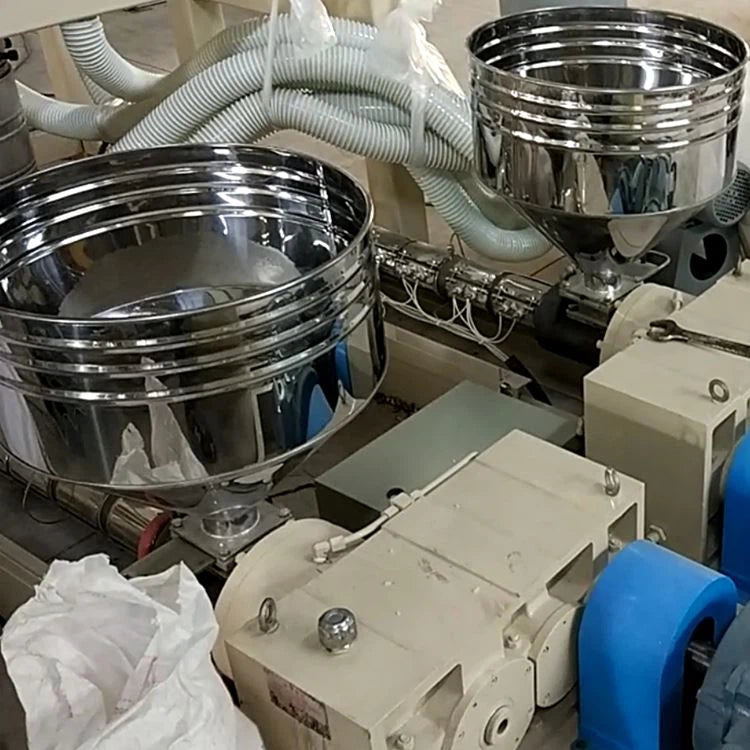
This presents both a challenge and an opportunity for manufacturers in emerging markets. The ability to process recycled materials efficiently will become a key differentiator. The latest industry trend shows that leading sewing machine manufacturers have specifically developed double-needle chainstitch large-stitch compensation technology combined with Teflon-coated presser foot systems — enabling even bags containing over 30% recycled content to achieve seam strength not less than 98% of that achieved on virgin material bags.
Trend 4: Flexible High-Speed Production Becomes a Reality
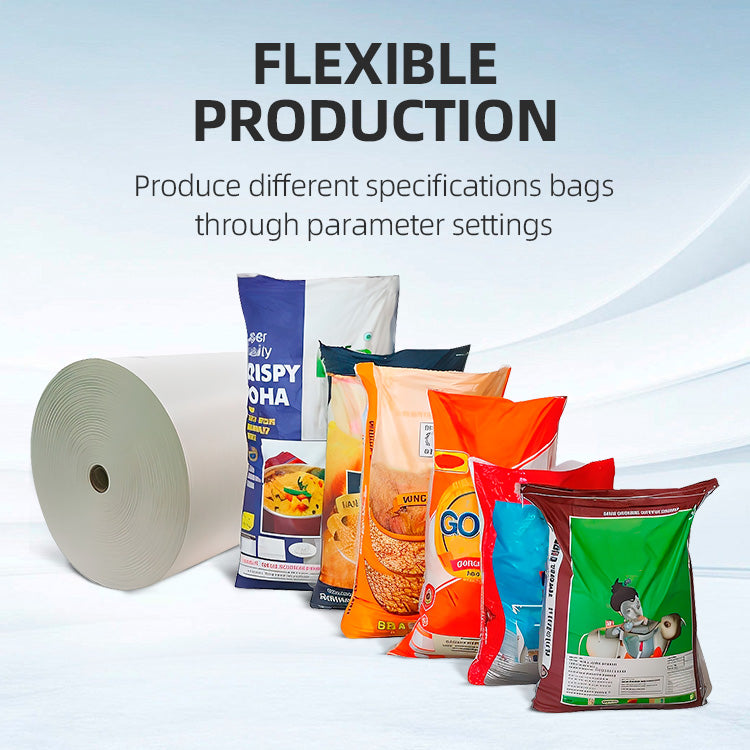
Influenced by "small batch, multi-variety" orders typical of modern logistics, changeover frequency for medium-sized woven bags has significantly increased. The stable production speed of mainstream automatic bottom sewing machines has leaped from 25–35 bags per minute to 45–55 bags per minute, with top-tier models exceeding 60 bags per minute for specific bag lengths — while changeover time has been compressed to under 90 seconds.
What This Means for Your Business
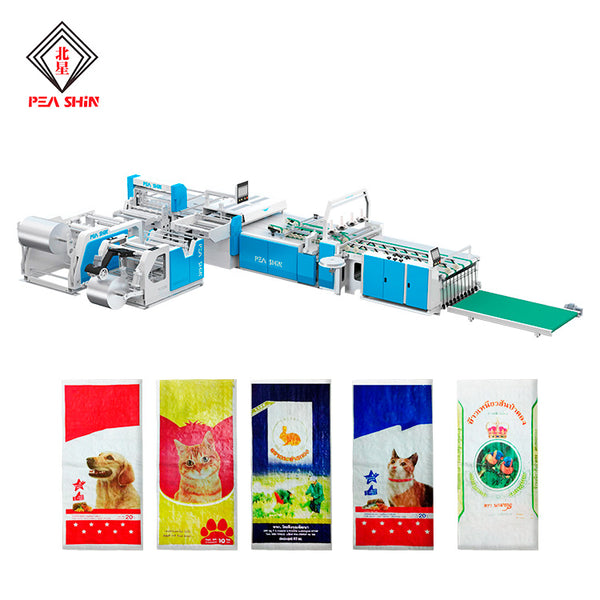
For manufacturers in emerging markets, these trends point to a clear imperative: upgrading to equipment that combines speed, intelligence, and material versatility is no longer optional — it's essential for staying competitive. PEASHIN's integrated production line solutions now connect printing, bag making, inner lining, and packaging into one seamless flow, offering a turnkey solution for the cement, fertilizer, chemical, and grain industries.
References: CHINAPLAS 2026 exhibition insights; PEASHIN industry trend analysis