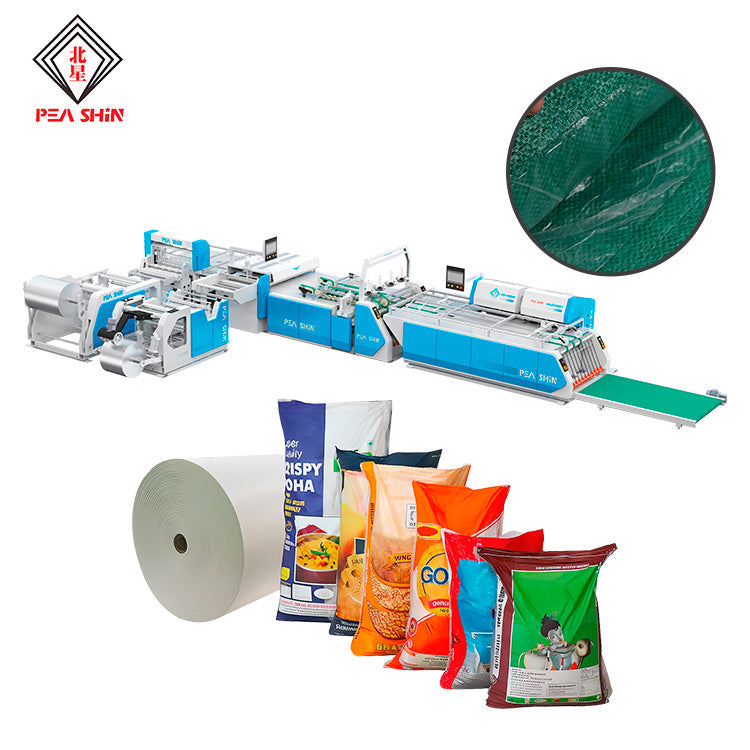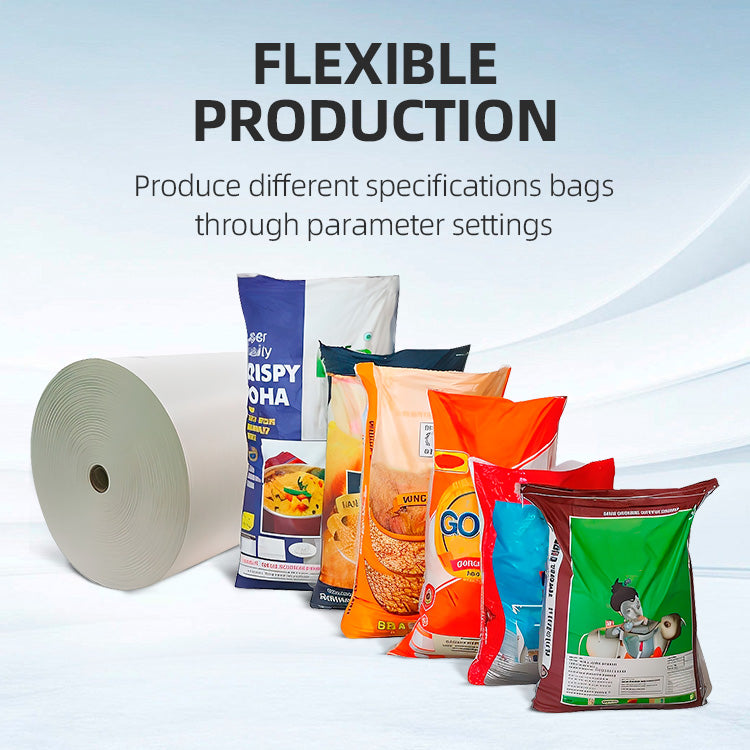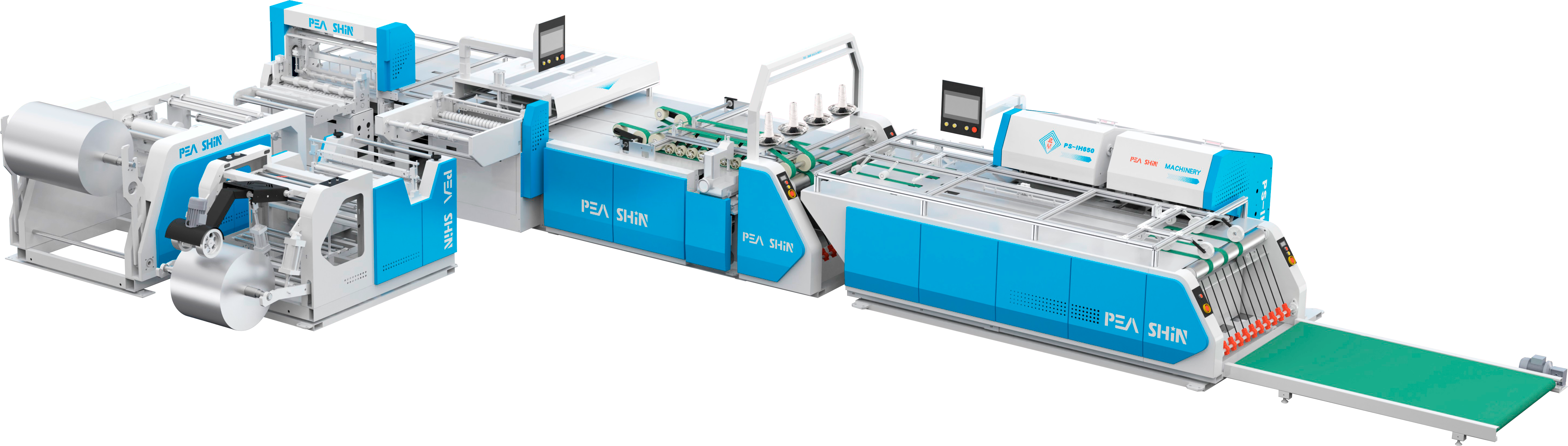





Complete Analysis of Woven Bag Making Machine Pain Points: From Production Failures to Daily Maintenance
Part 1: Common Production Failures (Pain Points)
1. Sealing-Related Failures – The Most Critical Pain Point
1.1 Weak Seal / Air Leakage
-
Symptoms: The seal looks fine initially, but leaks or bursts under pressure or during transport.
-
Causes: Insufficient or excessive sealing temperature, uneven sealing knife pressure, damaged sealing wire, faulty thermocouple, incompatible film material.
-
Solutions: Increase sealing temperature, reduce sealing speed, increase cooling bar pressure, replace faulty thermocouple.
1.2 Brittle Seal / Seal Breakage
-
Symptoms: The sealed area becomes hard and brittle, breaking easily when folded.
-
Causes: Excessive sealing temperature or pressure, overly sharp sealing knife edge, damaged PTFE fabric.
-
Solutions: Lower temperature, reduce pressure, properly cover the sealing knife with PTFE fabric.
1.3 Partial Seal / Inconsistent Seal Strength
-
Symptoms: One side of the seal is strong while the other side is weak or open.
-
Causes: Uneven sealing knife surface, unbalanced pressure on both sides.
-
Solutions: Re‑level the middle screw assembly, adjust spring pressure on both sides for balance.
2. Size & Positioning Failures – The Most Headache‑Inducing Pain Point
2.1 Incorrect Bag Length / Unstable Dimensions
-
Symptoms: Finished bag length deviates more than 5 mm from the preset value, or varies randomly.
-
Causes: Unstable servo tension, slipping pull roller, diameter error in pull rollers.
-
Solutions: Adjust servo tension curve, check for roller slippage, reduce unwind tension.
2.2 Photoelectric Tracking Errors / Misaligned Print
-
Symptoms: Cutting position on printed bags is off, resulting in misaligned or cropped print.
-
Causes: Improper photoelectric eye adjustment, poor eye mark design (low contrast), changing distance between eye marks.
-
Solutions: Re‑calibrate photoelectric eye sensitivity according to manual, ensure eye marks are clear and detectable.
3. Motor & Drive Failures – The Most Abrupt Stopping Pain Point
3.1 Stepper Motor Noise / No Film Feeding
-
Symptoms: Abnormal noise from the motor when starting, film fails to feed.
-
Causes: Incorrect main motor rotation direction, faulty stepper driver.
-
Solutions: Check motor rotation, restart the driver by cutting main power.
3.2 Incorrect Bag Length (Shorter than Preset)
-
Symptoms: Finished bags are significantly shorter than set length.
-
Causes: Drastically reduced stepper motor torque, mechanical blockage between pull roller and motor coupling.
-
Solutions: Repair or replace stepper driver, ensure smooth connection between roller and motor.
3.3 Frequent Automatic Shutdown
-
Symptoms: Machine stops unexpectedly during production; restarting only leads to another stop.
-
Causes: Unstable voltage due to excessive main speed, incorrect Hall signal angle or poor contact, PLC alarm.
-
Solutions: Set correct pulse parameters, check servo transformer voltage, adjust Hall switch position.
4. Quality & Appearance Failures – The Most Brand‑Damaging Pain Point
4.1 Film Wrinkling / Uneven Bag Surface
-
Symptoms: Film noticeably wrinkles as it passes through the machine; finished bags have wrinkled surfaces.
-
Causes: Poor cooling of the back seal, uneven pressure from middle roller, excessive floating roller air pressure, dirt on rollers.
-
Solutions: Improve chiller performance, adjust air pressure on both sides of the roller, clean roller surfaces.
4.2 Rough Cut Edges / Incomplete Cutting
-
Symptoms: Rough, frayed edges on bags, or bags sticking together.
-
Causes: Dull cutting blade, excessive blade gap.
-
Solutions: Regularly sharpen or replace the cutting blade.
5. Electrical & System Failures – The Most Hidden Pain Point
5.1 Main Motor Fails to Start
-
Causes: Servo system fault, signal loss to controller, PLC alarm, damaged contactor.
-
Solutions: Troubleshoot electrical system step by step; use component substitution to locate the fault.
5.2 Abnormal Unwind Speed
-
Causes: Poor contact of position switch, blown SCR or rectifier on speed control board.
-
Solutions: Adjust or replace position switch, repair or replace speed control board.
5.3 Poor Operation in Winter
-
Causes: Condensation in air lines due to low temperatures, leading to blockages and insufficient air pressure for actuators.
-
Solutions: Install heating in the workshop, consider buying all‑electric equipment.
Part 2: Daily Maintenance Details
1. Daily Tasks
| Maintenance Item | Specific Actions | Common Neglect |
|---|---|---|
| Equipment cleaning | At end of each shift, clean dust, oil, and fiber residues from machine; remove residue and carbon buildup on sealing knife | Residue on sealing knife is often missed, directly affecting next‑day seal quality |
| Pre‑start check | Check power, air supply (must be 0.6–0.8 MPa), and any loose or abnormal components | Many check only the machine itself, ignoring the air pressure gauge |
| Running monitoring | Listen for abnormal noises during operation, especially from cutting blade and pull roller area | Unusual sounds are early warnings but are often considered “normal” |
| Electrical check | Inspect electrical cabinet for debris; check if heating wire terminals for hot knife are loose | Loose terminals can cause leakage or even fire |
2. Weekly Tasks
| Maintenance Item | Specific Actions | Details |
|---|---|---|
| Full machine cleaning | Use compressed air to blow dust and debris from all corners | Pay special attention to corners and drive areas |
| Lubrication | Apply oil to hot knife滑块 (sliders), drive chains, and moving parts | Add oil 1‑2 times every 10 running hours; grease nipples once a week |
| Blade inspection | Check sharpness of cutting blade; sharpen if necessary | Dull blade produces rough edges and increases waste rate |
| Drive belt check | Inspect drive belt tension | Loose belt causes inaccurate feeding |
3. Monthly Tasks
| Maintenance Item | Specific Actions | Frequency |
|---|---|---|
| Pneumatic system | Check air line filter; drain accumulated water | Monthly |
| Electrical connections | Check terminal blocks for tightness; ensure PLC ventilation ports are clear | Monthly |
| Seal inspection | Inspect seals in hydraulic system for aging | Every 6 months; replace if damaged |
| Photoelectric sensor calibration | Re‑calibrate photoelectric eye sensitivity to ensure accurate tracking | Monthly |
4. Semi‑Annual / Annual Tasks
| Maintenance Item | Specific Actions | Frequency |
|---|---|---|
| Consumables inspection | Cutting blade, belts, bearing sleeves, seals | Sharpen blade regularly; replace bearing sleeves every 20,000 cycles; high‑quality PU belts show performance decline after ~6,000 running hours |
| Roller inspection | Check wear on pull rollers; replace if necessary | Roller hardness >75 Shore A affects seal quality |
| Drive system overhaul | Check chain wear; change gearbox oil if degraded | Every 6–12 months |
| Thorough cleaning | Completely clean machine and surrounding area | Every 1–6 months |
5. Key Points for Product / Material Changeover
-
Reset sealing temperature: Typically 120–180°C for PE film; higher for CPP/OPP.
-
Re‑enter bag length parameters on touchscreen; ensure photoelectric tracking is recalibrated.
-
Adjust tension settings according to new film material (unwind air pressure).
-
Run at low speed (50–60 bags/min) first to verify quality, then increase to normal speed.
-
Special note: Transparent bags require a more sensitive photoelectric eye for reliable detection.
6. Establishing a Maintenance Management System
-
Create a maintenance manual and log sheet, recording each maintenance action with date and details.
-
Train operators on standard operating procedures (SOPs) to eliminate “rule‑of‑thumb” practices.
-
Set up a consumables inventory alert system; keep spare parts on hand (blades, thermocouples, belts, seals).
-
For a new machine: change oil after 1 month of operation, then every 3 months thereafter.
Conclusion
The pain points of woven bag making machines can be summarized into four categories: unstable sealing quality (the highest proportion of failures), large dimensional/positioning deviations (affecting yield), unreliable motor/drive systems (causing frequent stoppages), and lack of maintenance discipline (accumulating into major breakdowns).
Shifting from “fire‑fighting maintenance” to preventive maintenance is far more cost‑effective than repairing after failure. Specific recommendations:
-
Establish a fixed daily, weekly, monthly, and quarterly maintenance schedule – do not wait for breakdowns.
-
Keep a stock of common consumables – reduce unexpected downtime waiting for parts.
-
Train operators on standard operating procedures – unify maintenance standards.
-
Focus on daily calibration of sealing temperature and photoelectric tracking – these two directly affect product quality.
A well‑maintained bag making machine can save more than 20% of waste and repair costs every year – far more economical than buying a new machine. Start giving your woven bag making machine a complete maintenance plan today.